












To start a clothing brand, you must define a target niche and choose a manufacturing or production model. Next, design technical spec packs or high-resolution artwork, and launch an e-commerce platform supported by consistent digital marketing. Starting a clothing brand successfully requires establishing a foundational business strategy and a clear niche rather than relying on creativity alone. Selecting the right business model—such as print-on-demand, drop-shipping, private label, or manufacturing your own custom cut-and-sew line—allows entrepreneurs to manage upfront inventory costs, control quality, and protect profit margins.

Why Start a Clothing Brand?
Launching an apparel business offers direct-to-consumer (DTC) profit potential, high creative autonomy, and scalable enterprise value.
Who this advice does not suit: Building a apparel company is not suitable for founders seeking automated passive income or those unwilling to conduct sample testing. Also, it is not for entrepreneurs unwilling to handle customer service, logistics, and digital acquisition.
What’s Needed to Start a Clothing Brand?
To build a legally compliant and operational clothing business, you need four foundational categories of assets before launching your first product line:
- Legal & Business Infrastructure: A registered business entity (LLC or Corporation), a state resale permit/sales tax license, a dedicated business bank account, and trademark registration for your brand name and visual identity.
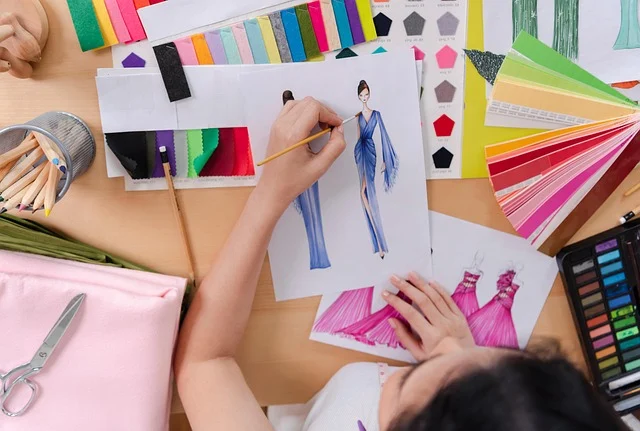
- Product Design Assets: Production-ready vector graphic files (.AI, .EPS, or .SVG at 300 DPI), physical fabric swatches, color codes (Pantone Matching System), and detailed tech packs containing sizing charts, stitching specifications, and placement dimensions.
- Digital Storefront & Operations: An e-commerce platform (Shopify or WooCommerce), integrated payment gateways (Stripe, PayPal, Apple Pay), shipping inventory software, and branded packaging materials.
- Production Capital: Sourcing capital aligned with your chosen business model.
| Production Model | Upfront Cost | Minimum Order Quantity (MOQ) | Profit Margin | Lead Time | Best Suited For |
|---|---|---|---|---|---|
| Print-on-Demand (POD) | $100 – $500 | 1 unit (No minimum) | 15% – 30% | 3 – 7 days | Testing graphic designs without inventory risk |
| Private Label (Blanks + Printing) | $1,000 – $5,000 | 50 – 200 units per style | 40% – 60% | 2 – 4 weeks | Independent streetwear, boutique collections, mid-tier budgets |
| Custom Cut-and-Sew | $5,000 – $20,000+ | 300 – 1,000+ units | 60% – 75% | 2 – 4 months | Bespoke silhouettes, technical apparel, established capital |
How to Start a Clothing Brand from Scratch with No Experience
Lack of a fashion design degree or industry background is no longer a barrier to entering the apparel market. Follow this structured process to build your first collection from scratch:
- Identify Your Micro-Niche: Rather than launching broad “menswear” or “womenswear,” target a specific subculture or functional need—such as heavyweight vintage streetwear, sustainable minimalist loungewear, or functional gym wear for powerlifters.
- Develop a Core 3-to-5 Piece Collection: Limit your initial launch to a focused capsule. For example, a brand named ‘Urban Canvas’ might launch with one signature 450 GSM French Terry hoodie, two heavy organic cotton t-shirts, and one accessory like an embroidered beanie.
- Create Tech Packs Without Design Skills: A tech pack is a blueprint for your manufacturer detailing fabric weight (GSM), garment dimensions, seam types, trims, and label placements. If you cannot design tech packs in Adobe Illustrator, hire technical designers on platforms like Upwork or Fiverr, or buy customizable tech pack templates.
- Order and Stress-Test Samples: Never approve a production run without testing initial prototypes. Wash samples 20 to 30 times to check for shrinkage, color bleeding, print cracking, and seam distortion.
How to Start a Clothing Brand Online
Launching an online-first clothing brand requires building a digital conversion engine. This compensates for the customer’s inability to touch or try on garments before buying.
- Optimize E-Commerce UX: Shopify remains the industry standard for apparel brands due to its deep ecosystem of inventory management and checkout apps. Ensure your site loads in under two seconds and features mobile-first design.
- Provide High-Fidelity Product Media: Include studio lighting product photos on ghost mannequins, flat-lays, and live models displaying height and size measurements (e.g., “Model is 6’1 wearing size Large”). Add short 5-second video clips showing fabric drape and movement.
- Implement Precise Sizing Charts: Inaccurate sizing accounts for over 70% of e-commerce clothing returns. Measure garment dimensions (chest width, body length, sleeve length) flat on a table and display exact inches and centimeters.
- Enable Social Commerce Channels: Sync your product catalog directly to TikTok Shop, Instagram Shopping, and Pinterest. As a result, you allow smooth in-app checkouts directly from organic video posts.
How to Start a Clothing Brand with No Money (or as a Teenager)
If you lack initial startup capital or are starting as a student or teenager, you can launch using capital-efficient methods:

1. The Pre-Order Drop Model
Create realistic 3D garment mockups or fund a single sample prototype out-of-pocket. Host a limited pre-order window on your website for 7 to 14 days. Use customer funds collected upfront to finance the manufacturer’s Minimum Order Quantity (MOQ). Communicate clear fulfillment timelines (e.g., “Ships in 4-6 weeks”) to manage expectations.
2. Print-on-Demand (POD) Integration
Connect print-on-demand providers (such as Printful, Gelato, or Prodigi) to your store. Products are manufactured and shipped directly to the customer only after an order is placed, eliminating upfront inventory capital and unsold stock risks.
3. Organic Content Marketing
Bypassing paid ads requires using high-volume short-form video on TikTok, Instagram Reels, and YouTube Shorts. Document the brand creation journey—showing design iterations, fabric testing, and packing orders—to build an audience organically before spending money on advertising.
Note for founders under 18: You will need a parent or legal guardian to co-sign bank accounts, register legal entities, and set up payment gateways like Stripe or PayPal.
Where to Start a Clothing Brand and Where to Make a Clothing Brand Logo
Starting a brand requires separating design software decisions from supplier sourcing networks:

Where to Make a Clothing Brand Logo
- Vector Software (Professional Standard): Adobe Illustrator or Affinity Designer. Logos must be created as vector shapes (.AI, .EPS, .SVG) so screen printers and embroidery machines can scale graphics without pixelation or quality loss.
- Design Platforms (Beginner/Intermediate): Canva or Looka for initial concept visual mood boards and typography testing.
- Freelance Designers: Hire graphic designers specializing in streetwear or apparel design on Upwork, Fiverr, or 99designs. Always specify that you require full commercial rights and vector source files.
Where to Source Manufacturers and Printing Partners
- Domestic Manufacturers (US/EU): Platforms like Maker’s Row connect brands with domestic cut-and-sew factories. Local screen printers and embroidery shops are ideal for lower minimum orders on blank garments (such as Rue Porter, Los Angeles Apparel, or AS Colour).
- Overseas Production (Asia/Turkey/Portugal): Alibaba, Kompass, and IndiaMART connect brands with offshore factories for large custom production runs. Request factory audits, verified supplier certificates, and physical sample runs prior to wire transfers.
How to Start a Clothing Brand in 2026
As of June 2026, the direct-to-consumer apparel landscape prioritizes micro-batch manufacturing, hybrid fulfillment models, and disciplined financial modeling over uncalculated scaling.
Pricing Models & Financial Mathematics
Calculating proper pricing ensures profitability after accounting for payment processing, marketing costs, shipping expenses, and potential returns:
- Cost-Plus Pricing (Markup Model): Add a fixed multiplier (typically 2x to 3x) to your Cost of Goods Sold (COGS).
Worked Example: If a heavy organic cotton t-shirt blank costs $8.00, screen printing costs $4.00, custom woven neck tags cost $1.00, and packaging costs $1.50, your total COGS is $14.50. Applying a 3x multiplier sets your retail price at $43.50, yielding $29.00 in gross profit per unit. - Value-Based Pricing: Price garments according to brand prestige, design exclusivity, and aesthetic demand rather than raw material costs. Luxury or high-demand streetwear brands command high prices ($120+ hoodies on $28 COGS) due to limited quantity releases and brand culture.
- Competitive Pricing: Match pricing with direct competitors within your specific sub-niche (e.g., pricing graphic tees at $32 to $38 to stay aligned with independent graphic tee brands).
The cost to start a clothing brand can vary significantly. For a print-on-demand model, initial costs might be as low as $100-$500 for website setup and initial marketing. For private labeling, startup costs can range from $2,000 to $10,000 or more, depending on MOQs and product complexity. As of June 2026, many entrepreneurs use a hybrid approach, starting lean with print-on-demand or low-MOQ blanks and reinvesting profits into custom cut-and-sew runs.
Securing adequate funding is also critical. Options include personal savings, loans from friends and family, small business loans, or crowdfunding platforms.
How to Start a Clothing Brand: Reddit Insights and Real Founder Lessons
Synthesizing experiences shared by thousands of independent founders across communities like r/streetwearstartup and r/ecommerce highlights crucial operational realities:

- Never order bulk production without stress-testing samples: Beginners routinely lose thousands of dollars by approving full orders based on digital mockups alone, only to receive garments with misaligned graphics or harsh neck tags.
- Focus on garment blanks, fabric weight (GSM), and fit over heavy graphics: A basic tee printed on low-quality 140 GSM promotional blanks leads to high return rates. Modern consumers prioritize weight, texture, and boxy fits (such as 240+ GSM combed cotton).
- Budget at least 30% of total capital for marketing: Allocating 100% of your budget to manufacturing leaves no capital to generate site traffic.
Embrace Sustainability and Ethics
Consumers, particularly younger demographics, are increasingly prioritizing ethical and sustainable practices. Building these into your brand from the outset can be a significant competitive advantage.
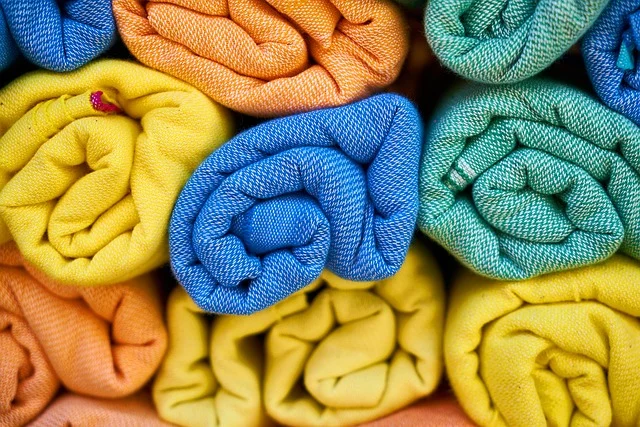
- Materials: Opt for organic cotton, recycled polyester, linen, Tencel, or other eco-friendly fabrics.
- Production: Partner with manufacturers who adhere to fair labor standards and minimize environmental impact (e.g., water conservation, reduced emissions).
- Packaging: Use recycled, recyclable, or biodegradable packaging materials.
- Transparency: Be open about your supply chain and sustainability efforts.
Brands like Patagonia have built their entire ethos around environmental activism, demonstrating the power of purpose-driven branding.
For ‘Urban Canvas,’ this could mean sourcing organic cotton blanks and partnering with a local printer committed to eco-friendly inks and processes. Transparency about these choices builds trust and loyalty.
Avoid Common Pitfalls
Many new clothing brands falter due to predictable operational mistakes. Building a brand requires avoiding these core pitfalls:
- Lack of Market Research: Failing to understand your target audience and competitors leads to misaligned products and weak marketing positioning. Fix: Conduct audience surveys and analyze competitor product reviews to find unaddressed complaints.
- Poor Quality Control: Cutting corners on materials or manufacturing permanently damages brand reputation. Fix: Implement physical inspection protocols for every incoming shipment before dispatching to customers.
- Underestimating Startup Costs: Underfunding inventory, shipping buffers, and advertising leads to cash flow collapse. Fix: Keep a 20% cash reserve for unforeseen logistics or sample revision costs.
- Ignoring Marketing: Believing products will sell themselves without active acquisition channels. Fix: Build your email/SMS list and social following 60 days before your launch date.
- Over-Reliance on Trends: Building a brand solely on fleeting micro-trends leads to short-term spikes followed by unsold deadstock. Fix: Anchor collections around core timeless silhouettes while testing trends in small batches.
- Inconsistent Branding: Disjointed messaging, varied typography, or mismatched color palettes confuse shoppers. Fix: Create a strict brand style guide covering logos, fonts, tone of voice, and visual aesthetic.
A brand that launches a line of graphic tees without testing print durability might find customers returning shirts due to fading or cracking prints within months. This costly mistake can be avoided with thorough sample testing and supplier vetting.
Expert Tips for Launching Your Brand
Beyond foundational business setup, applying these strategic principles helps differentiate your brand during launch:

- Start Small, Think Big: Begin with a focused product line or collection. Test the market, gather feedback, and scale gradually. This approach minimizes initial financial risk.
- Build a Community, Not Just Customers: Engage with your audience on social media, respond to direct messages, and foster a sense of belonging. This turns buyers into repeat brand advocates.
- Master Your Storytelling: Communicate your brand purpose. Whether highlighting design inspiration, commitment to sustainability, or subculture roots, weave your story throughout product pages and marketing.
- Use User-Generated Content (UGC): Encourage customers to share photos wearing your clothing. Displaying authentic customer photos on product pages builds conversion trust.
- Stay Agile: The fashion industry evolves rapidly. Be prepared to adapt inventory choices and marketing strategies based on real customer purchasing data.
For ‘Urban Canvas,’ hosting a small launch pop-up at a local art gallery creates buzz, connects directly with target customers, and generates authentic photo and video content for social platforms.
Frequently Asked Questions
How much money do I need to start a clothing brand?
Startup costs vary widely. For a print-on-demand model, you can start with $100-$500 for a domain name, store platform subscription, and initial marketing. A private label brand utilizing pre-made blank garments requires $2,000-$5,000, while a custom cut-and-sew line typically requires $5,000-$10,000+ for tech packs, custom production, and marketing, depending on factory minimum order quantities (MOQs).
What is the most important step in starting a clothing brand?
Defining your brand identity and niche is the most critical step. This foundation informs all subsequent decisions—from garment sourcing and visual design to pricing strategy and marketing channels—ensuring your brand resonates authentically with its target audience.
How long does it take to start a clothing brand?
From concept to launch, building a clothing brand takes between 3 and 12 months. Print-on-demand stores can launch in under 30 days, private label blank collections take 2 to 4 months, and custom cut-and-sew production lines take 6 to 12 months due to sample iterations, manufacturing, and international freight shipping.
What are the biggest challenges for new clothing brands?
Common challenges include managing upfront inventory risks, achieving consistent quality control across production batches, standing out in competitive digital markets, calculating accurate profit margins after shipping and customer acquisition costs, and building sustained audience retention beyond an initial product drop.
Is it better to design your own clothes or use print-on-demand?
Designing custom cut-and-sew garments offers complete creative control, high product differentiation, and maximum long-term profit margins. However, it requires technical skill and capital. Print-on-demand offers low financial risk and zero inventory management, making it ideal for testing artwork designs and market demand before investing in bulk production.
How do I find manufacturers for my clothing line?
You can source apparel manufacturers through online supplier directories like Maker’s Row (for US manufacturing) and Alibaba (for global production), by attending regional garment trade shows, or by reaching out to local screen printing shops. Always request physical samples and vet potential factories for quality standards, lead times, and ethical working conditions before signing contracts.
Sources: Aéropostale (clothing brand)


