










the historical context of each brand’s evolution.
Brand Heritage and Evolution
Understanding the roots of Carhartt WIP and Dickies is crucial to appreciating their present-day offerings. Dickies, founded in 1922 by C.N. Williamson and E.E.
“Colonel” Dickie, began as a bib overall company in Fort Worth, Texas. Its early focus was on providing durable work garments for laborers, quickly expanding to serve the U.S. military during World War II. Post-war, Dickies became synonymous with American workwear, its practical designs adopted by everyone from construction workers to skaters, cementing its reputation for no-nonsense reliability and affordability.
Carhartt, on the other hand, was established much earlier, in 1889, by Hamilton Carhartt in Detroit, Michigan. Initially, it focused on producing durable overalls for railroad workers. Over the decades, Carhartt built a legacy on heavy-duty duck canvas, reinforced stitching, and garments designed to withstand extreme conditions. Carhartt WIP, or “Work In Progress,” is a distinct division launched in Europe in 1994. It takes the core DNA of the original Carhartt brand—its iconic silhouettes, strong fabrics, and commitment to quality—and reinterprets them for a more fashion-forward, urban audience. WIP often uses lighter, more contemporary fabrics alongside traditional ones and offers more tailored fits, positioning itself as a premium streetwear label with workwear roots.
Materials and Construction Quality
The materials and construction methods are where the most significant differences between Carhartt WIP and Dickies often emerge. Traditional Carhartt garments, and by extension Carhartt WIP, are renowned for their heavy-duty fabrics, most notably their signature 12 oz. Cotton duck canvas. This material is exceptionally tough, water-repellent to an extent, and designed for extreme abrasion resistance. WIP often incorporates this canvas but also uses lighter weight cotton twills, ripstop fabrics, and more technical blends for its seasonal collections. Expect reinforced stitching at stress points, heavy-duty zippers, and strong hardware across their range.
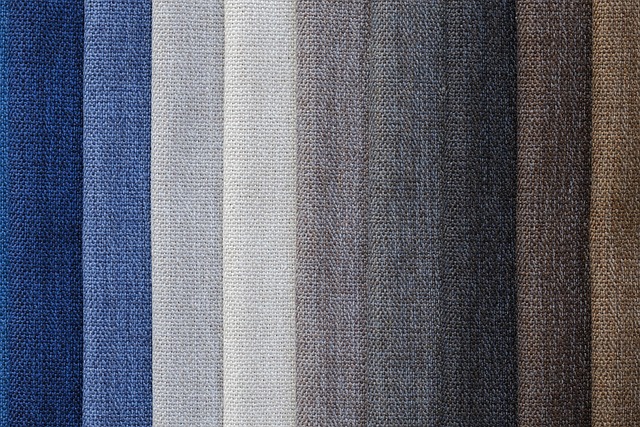
Dickies, while also built for durability, typically uses lighter-weight fabrics, such as 7-8 oz. These blends offer a good balance of breathability, wrinkle resistance, and durability for everyday wear and moderate work environments. Their construction is generally solid and reliable, featuring felled seams and bar-tacking at key stress points. However, they may not possess the same level of extreme toughness or weather resistance as Carhartt’s heavier duck canvas offerings. According to workwear enthusiasts, while Dickies offers excellent value, Carhartt’s heavier materials often provide superior longevity in the harshest conditions.
Fit and Sizing Profiles
Fit is a critical consideration, and here, Carhartt WIP and Dickies diverge significantly. Dickies garments, particularly their classic work pants (like the 874 or 873), are known for a more traditional, straight-leg fit. They often sit at the natural waist and offer a roomier cut through the seat and thigh, with a straight leg opening. This classic fit is utilitarian and comfortable, providing ease of movement for physical tasks. Some find them to run slightly larger or longer, so trying them on or consulting size charts is often recommended.
Carhartt WIP, on the other hand, offers a more varied and contemporary fit. While they retain some classic silhouettes, WIP collections frequently feature relaxed, loose, or baggy fits tailored for streetwear trends. They also introduce slimmer or more modern tapered options. The sizing can feel more European or fashion-oriented, meaning a size might differ from standard American workwear sizing. For instance, their Master Pant or Simple Pant often comes in a relaxed fit with a slightly tapered leg, designed to be worn with sneakers. The aim is often a more stylized drape rather than pure utilitarian roominess.
Style and Aesthetics
The aesthetic appeal of each brand is a major draw for consumers, especially as workwear continues to influence mainstream fashion. Dickies embodies a timeless, utilitarian look. Their iconic khaki pants, simple work shirts, and logo tees are versatile staples that pair easily with almost anything. The aesthetic is straightforward, unpretentious, and inherently cool, making them a favorite in skate culture and among those who prefer a no-fuss, classic American style. They’re the dependable uniform that just works.
Carhartt WIP bridges the gap between authentic workwear and modern streetwear. While it honors the rugged heritage of its parent brand, WIP injects an urban sensibility into its designs. This means updated color palettes, contemporary fabric treatments, collaborations with artists and designers, and silhouettes that align with current fashion trends. Expect more fashion-forward outerwear, utility vests, modern takes on classic overalls, and jackets with refined detailing. The style is still grounded in workwear functionality but presented with a more polished, fashion-conscious edge, making it a popular choice for those looking to incorporate workwear elements into a curated streetwear wardrobe.
For many, the choice between them comes down to whether they want the raw, authentic workwear vibe of Dickies or the elevated, fashion-forward interpretation offered by Carhartt WIP. As of May 2026, both continue to be dominant forces in streetwear, with WIP often commanding a higher perceived fashion value due to its design collaborations and seasonal collections.
Price and Value Proposition
Price is often a deciding factor, and here, Dickies generally holds a significant advantage. A pair of classic Dickies 874 work pants, for instance, typically retails for between $25 and $50, depending on the specific model and retailer. Their work shirts and jackets are similarly priced, offering excellent value for money. This accessibility makes Dickies a practical choice for those needing multiple durable garments without a substantial financial outlay, or for individuals on a tighter budget.
Carhartt WIP garments are positioned at a higher price point, reflecting their premium materials, contemporary design, and fashion-oriented branding. A pair of Carhartt WIP pants might range from $80 to $150 or more, while jackets can easily exceed $200. This higher cost reflects the brand’s positioning as a fashion label and its use of potentially more advanced or specialized fabrics, as well as its European production and design focus. While more expensive, many consumers view Carhartt WIP as an investment in high-quality, stylish pieces that offer long-term we arability and a distinct fashion statement.
The perceived value differs: Dickies offers accessible, reliable workwear for everyday use at a competitive price, while Carhartt WIP offers a premium, fashion-forward interpretation of workwear, justifying its higher cost through design, branding, and often superior material innovation for urban environments. According to market analyses in early 2026, the workwear-inspired segment continues to grow, with both brands capturing significant market share within their respective niches.
Durability and Longevity
Both brands are built with durability in mind, but the context of their durability differs. Dickies are built to last through daily wear and tear, especially for less demanding jobs or casual use. Their poly-cotton blends offer good resilience and are easy to care for, meaning they’ll hold up well for years of regular washing and wearing. However, in extremely demanding conditions—think heavy-duty construction, constant kneeling on rough surfaces, or exposure to harsh elements—their lighter fabrics might show wear faster than Carhartt’s strong offerings.
Carhartt WIP, drawing from its parent company’s heritage, often prioritizes extreme durability. The use of heavier ounce duck canvas and reinforced construction techniques means these garments are designed to withstand significant abuse. While WIP may use lighter contemporary fabrics in some items, their core offerings are built for longevity in tough environments. A Carhartt WIP jacket or pant made with their traditional canvas is likely to outlast a comparable Dickies item in a very demanding setting. This resilience is a key reason why genuine Carhartt gear remains a favorite on actual job sites. According to customer reviews and industry forums, Carhartt items, particularly those made with their the heaviest duck canvas, are frequently cited as lasting a decade or more with proper care.
Target Audience and Use Cases
The target audience for each brand, while overlapping, has distinct preferences. Dickies appeals broadly to individuals seeking practical, reliable, and affordable clothing. This includes construction workers, trades people, mechanics, students, skaters, and anyone looking for a casual, no-fuss aesthetic. They are ideal for everyday wear, light to moderate work, and those who value functionality and cost-effectiveness. A common use case is stocking up on several pairs of work pants or shirts for a job site or for a college wardrobe where durability and price are paramount.
Carhartt WIP targets a more fashion-conscious consumer who appreciates the workwear aesthetic but desires a more contemporary, stylized interpretation. This audience includes streetwear enthusiasts, urban dwellers, designers, artists, and individuals who value premium materials, refined design, and brand cachet. Carhartt WIP is excellent for making a fashion statement, for cooler weather layering, or for occasions where a stylish yet rugged look is desired, rather than purely for demanding physical labor. For example, an urban photographer might choose Carhartt WIP for its blend of utility pockets, durable fabric, and stylish silhouette suitable for city exploration.
Carhartt WIP vs. Dickies Comparison Table
| Feature | Carhartt WIP | Dickies |
|---|---|---|
| Heritage | Founded 1889, WIP division launched 1994 (Europe) | Founded 1922 (USA) |
| Primary Focus | Fashion-forward, streetwear-inspired workwear | Classic, reliable, affordable workwear |
| Core Materials | Heavyweight duck canvas (12oz+), contemporary blends, ripstop | Lighter cotton-poly blends (7-8oz), cotton twill (10oz) |
| Construction | Reinforced seams, bar-tacking, heavy-duty hardware, often more refined details | Solid construction, felled seams, bar-tacking at stress points |
| Fit Profile | Varied: relaxed, loose, baggy, tapered, modern cuts | Classic straight-leg, regular to relaxed, sits at waist |
| Aesthetic | Urban, contemporary streetwear, fashion-driven | Timeless utilitarian, classic American workwear, casual |
| Price Range (Approx.) | $80-$150+ (Pants), $150-$300+ (Jackets) | $25-$50 (Pants), $50-$100 (Jackets) |
| Durability (Extreme Use) | Higher (especially with traditional canvas) | Good, but may wear faster than heaviest Carhartt options |
| Target Audience | Streetwear enthusiasts, fashion-conscious, urban consumers | Trades people, laborers, students, skaters, budget-conscious |
| Value | Premium fashion investment | Accessible, functional, everyday value |
Making Your Decision in 2026
Choosing between Carhartt WIP and Dickies in 2026 hinges on your personal priorities. If you’re seeking an authentic, no-frills workwear experience that’s both functional and incredibly affordable, Dickies is likely your best bet. Their classic styles are versatile enough for daily wear, light-duty tasks, or embracing a timeless casual look without breaking the bank. They offer dependable quality that has stood the test of time, making them a staple for millions.
However, if your budget allows for a higher investment and you’re drawn to the intersection of workwear heritage and contemporary fashion, Carhartt WIP presents a compelling option. The brand offers a more curated, fashion-forward take on workwear, utilizing premium materials and refined designs that resonate with modern streetwear trends. For those who value specific construction details, unique fabric innovations, and a brand that actively engages with urban culture and design, Carhartt WIP delivers a distinct appeal. It’s about investing in a piece that’s both a functional garment and a fashion statement.
Consider your primary use: is it for demanding physical labor, everyday casual wear, or making a style statement? Your answer will guide you. For instance, a carpenter on a job site might choose Dickies for its practicality and cost, while a graphic designer attending a creative conference might opt for Carhartt WIP for its blend of style and durability.
Frequently Asked Questions
Is Carhartt WIP the same as regular Carhartt?
No, Carhartt WIP (Work In Progress) is a distinct division of the original Carhartt brand, focusing on reinterpreting workwear for a fashion-forward, urban audience with contemporary fits and seasonal collections, often using lighter materials than the traditional Carhartt line.
Are Dickies pants better for working outdoors than Carhartt WIP?
For extremely demanding outdoor work in harsh conditions, Carhartt WIP’s traditional heavyweight duck canvas pants are generally considered more durable and protective. Dickies are excellent for general work but might not offer the same level of ruggedness or weather resistance for prolonged, intense outdoor labor.
Which brand is more expensive, Carhartt WIP or Dickies?
Carhartt WIP is significantly more expensive than Dickies. While Dickies offers highly affordable workwear essentials, Carhartt WIP positions itself as a premium fashion label, with prices reflecting higher-quality materials, contemporary design, and brand prestige.
Can I wear Carhartt WIP or Dickies for everyday casual wear?
Absolutely. Both brands are popular for everyday casual wear. Dickies offers a classic, utilitarian look, while Carhartt WIP provides a more modern, streetwear-influenced aesthetic. Both are versatile choices depending on your personal style preferences.
Which brand has a better fit for streetwear in 2026?
Carhartt WIP generally offers more contemporary and diverse fits suited for streetwear, including relaxed, baggy, and tapered options. Dickies typically sticks to more classic straight-leg fits, which can also be styled for streetwear but offer less variety in silhouette.
Is Carhartt WIP worth the investment compared to Dickies?
It depends on your priorities. If you value premium design, fashion-forward styling, and potentially more strong materials for urban environments, Carhartt WIP can be a worthwhile investment. For dependable, affordable, and classic workwear-inspired pieces, Dickies offers superior value.
Source: Vogue


