













Why Sustainable Living Matters More Than Ever in 2026
The urgency to adopt sustainable lifestyle tips has never been greater. As of May 2026, global environmental concerns, from climate change to resource depletion, are more pronounced than ever. Many individuals are seeking practical ways to align their daily actions with their values, aiming to reduce their personal footprint without sacrificing quality of life.
This isn’t about drastic overhauls overnight. It’s about understanding how small, consistent changes can collectively create significant positive impact. Whether you’re aiming for a greener home, more mindful consumption, or simply a deeper connection to the planet, these sustainable lifestyle tips offer actionable pathways forward.
- Adopting sustainable lifestyle tips in 2026 is crucial due to escalating environmental challenges.
- Small, consistent changes are more effective than drastic, unsustainable ones.
- Sustainable living encompasses areas from home management and consumption to transportation and ethical choices.
- These tips aim to reduce personal environmental impact while enhancing well-being and potentially saving money.
- The journey is personal and adaptable to individual circumstances and priorities.
Transforming Your Home for Sustainability
The home is often the first place people look to implement sustainable lifestyle tips. Focus on energy efficiency, waste reduction, and conscious material choices. Simple upgrades can lead to substantial environmental and financial benefits over time.
Start by auditing your energy consumption. Switching to LED bulbs is a classic, effective step that can reduce lighting energy use by up to 80% compared to incandescent bulbs. According to the U.S. Department of Energy, this simple change can save households hundreds of dollars annually. Consider smart thermostats to optimize heating and cooling, ensuring energy is used only when needed. Beyond that, look at your appliances; upgrading to energy-efficient models (look for the ENERGY Start label) can significantly cut down electricity bills.

Water conservation is another critical aspect. Installing low-flow shower heads and faucet aerators can reduce water usage by 20-30% without a noticeable difference in pressure. Fixing leaks promptly also prevents significant water waste. For instance, a dripping faucet can waste gallons of water per day, adding up to thousands of gallons annually.
When it comes to waste, the mantra remains: reduce, reuse, recycle. Prioritizing reduction means questioning purchases before they enter your home. Reusing items extends their life cycle, and effective recycling ensures materials are processed for new use. Composting kitchen scraps and yard waste is a powerful way to divert organic material from landfills, turning it into nutrient-rich soil for your garden or houseplants.
Mindful Shopping: Conscious Consumerism in Practice
Our purchasing habits have a profound impact on the environment. Conscious consumerism involves making informed decisions about what we buy, where we buy it from, and how it’s produced.
Before buying anything new, ask yourself if you truly need it. Can you borrow it, rent it, or buy it secondhand? The secondhand market, from thrift stores to online marketplaces, is booming and offers a sustainable alternative to fast fashion and disposable goods. According to the Ellen MacArthur Foundation, increasing the lifespan of clothing by just nine months could reduce its carbon, water, and waste footprints by 20-30% each.
When purchasing new items, opt for durability and sustainability. Look for products made from recycled or sustainably sourced materials. For example, choosing furniture made from reclaimed wood or clothing made from organic cotton or recycled polyester makes a difference. Research brands to understand their ethical sourcing and manufacturing practices. Many companies are becoming more transparent about their supply chains, and certifications like Fair Trade or B Corp can offer reassurance.
Packaging is another area to scrutinize. Opt for products with minimal or compostable packaging. Carrying reusable shopping bags, water bottles, and coffee cups are simple yet impactful habits that significantly reduce single-use plastic waste. These small shifts, multiplied across a community, can divert enormous amounts of plastic from landfills and oceans.

Nourishing Yourself and the Planet: Sustainable Food
What we eat has a direct link to our environmental footprint, from agricultural practices to food miles. Making sustainable food choices is a cornerstone of eco-friendly living.
Prioritize plant-based meals. Meat and dairy production are resource-intensive, contributing significantly to greenhouse gas emissions. Reducing meat consumption, even by a few meals a week, can dramatically lower your environmental impact. A 2026 report by the World Resources Institute highlighted that diets rich in plant-based foods are more sustainable and can help feed a growing global population.
Support local and seasonal produce whenever possible. Buying from local farmers reduces transportation emissions (food miles) and supports your local economy. Farmers’ markets are excellent places to find fresh, seasonal items. Understanding what’s in season in your region can guide your grocery choices and connect you more closely to agricultural cycles.
Minimize food waste. Plan your meals, store food properly to maximize freshness, and get creative with leftovers. According to the Food and Agriculture Organization of the United Nations (FAO), approximately one-third of all food produced globally is lost or wasted. This waste not only represents lost resources but also contributes to landfill methane emissions.
Choose organic and ethically sourced products when your budget allows. Organic farming practices avoid synthetic pesticides and fertilizers, protecting soil health and biodiversity. Look for certifications that indicate fair labor practices and sustainable harvesting methods for seafood and other products.
Greening Your Commute and Travels
Transportation is a major contributor to carbon emissions. Shifting towards greener options for daily commutes and travel is a vital part of a sustainable lifestyle.
For daily travel, consider alternatives to driving alone. Walking, cycling, or using public transportation are the most eco-friendly options. Many cities are improving their cycling infrastructure, making it safer and more convenient. If driving is necessary, consider carpooling or switching to an electric vehicle (EV). As of May 2026, EV adoption continues to grow, with more charging infrastructure becoming available. While the upfront cost of EVs can be higher, government incentives and lower running costs often make them a more economical choice over their lifespan.
When planning vacations, think about your travel choices. Opt for destinations that are accessible by train or bus, reducing the need for air travel. If flying is unavoidable, consider choosing direct flights (takeoffs and landings consume the most fuel) and look for airlines that invest in sustainable aviation fuels or carbon offset programs. Supporting eco-tourism initiatives that prioritize conservation and community well-being also aligns with sustainable lifestyle principles.
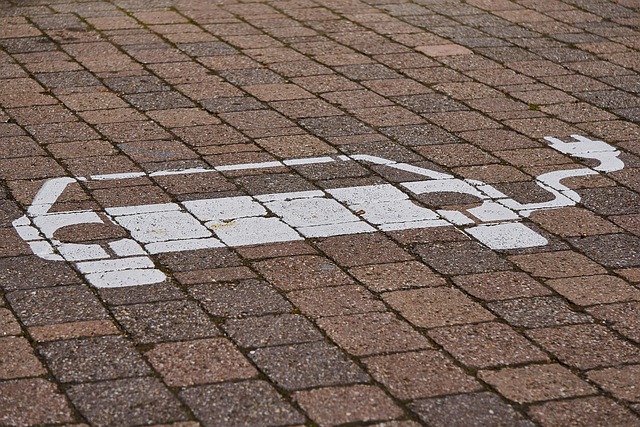
Even small changes, like combining errands into one trip or working from home more often, can reduce your overall travel footprint.
Embracing Zero-Waste and Minimalism
The principles of zero-waste and minimalism are powerful tools for simplifying life and reducing environmental impact. They encourage us to consume less and value what we have.
Zero-waste living focuses on preventing waste generation in the first place. This means refusing unnecessary items, reducing consumption, reusing what we can, recycling what’s left, and composting organic materials. It involves developing habits like carrying a reusable water bottle, coffee cup, and cutlery, and shopping with reusable bags and containers. For instance, refusing single-use plastic straws and opting for a reusable metal or bamboo straw can prevent hundreds of plastic straws from entering landfills each year.
Minimalism, on the other hand, is about intentionally living with only the things we truly need or love. By decluttering and simplifying our possessions, we reduce the demand for new products and the resources required to make them. A minimalist approach can lead to less waste, less consumption, and more financial freedom.
Integrating these philosophies can look like a conscious effort to buy fewer, higher-quality items that will last longer, rather than disposable goods. It also involves repairing items instead of replacing them and donating or selling unwanted possessions rather than discarding them. This mindful approach to possessions fosters a deeper appreciation for what we have and reduces our overall environmental burden.
Fashion and Beauty: Sustainable Style Choices
The fashion and beauty industries have significant environmental and social impacts. Making more sustainable choices in these areas is a growing trend and a key part of a conscious lifestyle.
In fashion, consider the rise of sustainable and ethical brands. These brands often prioritize eco-friendly materials like organic cotton, linen, Tercel, or recycled fabrics. They also focus on fair labor practices, ensuring workers are paid a living wage and work in safe conditions. Shopping secondhand, swapping clothes with friends, or renting outfits for special occasions are excellent ways to reduce your fashion footprint.
For beauty products, look for brands that offer refillable packaging, use natural or organic ingredients, and are cruelty-free. Many brands are moving away from harmful chemicals and excessive plastic packaging. Reading ingredient lists and understanding certifications (like Leaping Bunny for cruelty-free or Eco cert for organic) can help you make more informed decisions. DIY beauty treatments using common household ingredients can also be a great way to reduce packaging waste and chemical exposure.
Consider the longevity of your products. Choosing high-quality, durable items in fashion and beauty means they’ll last longer, reducing the need for frequent replacements and therefore, less waste and resource consumption.
Putting It All Together: Practical Steps and Common Pitfalls
Implementing sustainable lifestyle tips is a journey, not a destination. Here are practical steps and common mistakes to be aware of.
Practical Steps:
- Start Small: Don’t try to change everything at once. Pick one area, like reducing single-use plastics, and focus on it.
- Educate Yourself: Understand the impact of your choices. Resources like documentaries, books, and reputable environmental websites can provide valuable insights.
- Set Realistic Goals: Aim for progress, not perfection. Celebrate small wins along the way.
- Find Your Community: Connect with others who are also pursuing a sustainable lifestyle. Support groups or online forums can offer motivation and practical advice.
- Be an Advocate: Share your journey and encourage others. Collective action amplifies individual efforts.
Common Pitfalls to Avoid:
- Eco-Anxiety: Feeling overwhelmed by the scale of environmental problems can lead to burnout. Remember that every action counts, and focus on what you can control.
- Perfectionism: Striving for an unattainable perfect eco-lifestyle can be demotivating. It’s better to be imperfectly sustainable than not at all.
- Greenwashing: Be wary of companies that market themselves as eco-friendly without genuine commitment. Look for transparency and verifiable certifications.
- Ignoring Cost: While many sustainable choices save money long-term, some have higher upfront costs. Prioritize changes that fit your budget.
For instance, a family like the Chengs in Portland, Oregon, started by switching to a cloth diaper service for their newborn, which reduced their initial waste significantly. They later incorporated composting and then focused on reducing their car usage by biking for local errands, gradually building a complete sustainable lifestyle.
Frequently Asked Questions
What is the most impactful sustainable lifestyle tip?
While impact varies, reducing meat consumption and minimizing air travel are often cited as two of the most significant individual actions to lower one’s carbon footprint, according to environmental research organizations.
How can I start living sustainably on a budget?
Start by reducing waste through mindful purchasing, meal planning, and utilizing reusable items. Buying secondhand, repairing items, and opting for energy-efficient practices at home also lead to long-term savings.
Is it hard to adopt a sustainable lifestyle?
It doesn’t have to be. The key is to start with small, manageable changes that fit your lifestyle and gradually build upon them. Focusing on progress rather than perfection makes the transition smoother.
What are some easy sustainable swaps for everyday items?
Easy swaps include using reusable grocery bags, water bottles, and coffee cups; switching to bar soap instead of liquid in plastic bottles; and opting for bamboo toothbrushes instead of plastic ones.
How does sustainability benefit my personal well-being?
Beyond environmental benefits, sustainable living often leads to improved health through better nutrition and more outdoor activity, reduced stress from decluttering, and a greater sense of purpose and connection to nature.
Are there specific sustainable lifestyle tips for apartment dwellers?
Yes, apartment dwellers can focus on reducing energy and water usage, composting via specific services or indoor methods, choosing sustainable furniture that’s easy to move, and minimizing waste through mindful consumption habits.


