













Understanding Sesame Oil: The Foundation
When we talk about sesame oil, we’re often referring to a broad category. At its core, sesame oil is extracted from sesame seeds. The key differentiator, however, lies in how those seeds are processed before extraction. This initial step dictates the final product’s flavor, aroma, and suitability for different culinary tasks.
Last updated: June 12, 2026
There are two primary forms you’ll encounter in stores: regular (or unrefined) sesame oil and toasted sesame oil. They both originate from the same seeds, but the journey they take to your plate is quite different.
How Toasted Sesame Oil Gets Its Kick
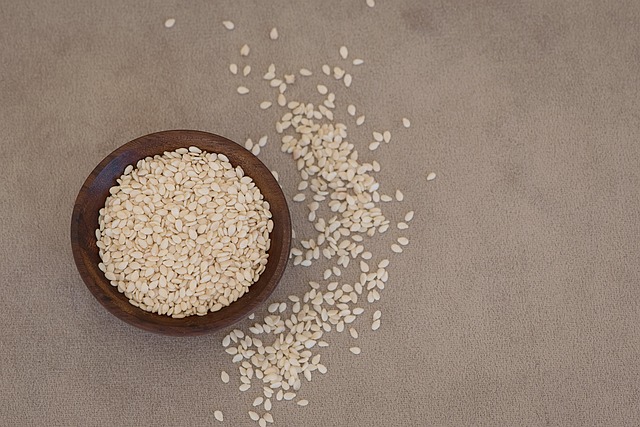
The magic behind toasted sesame oil’s potent flavor and aroma is simple: heat. For toasted sesame oil, the sesame seeds are first roasted or toasted until they turn golden brown or even a deep brown. This toasting process is crucial. It awakens and intensifies the natural oils within the seeds, releasing complex flavor compounds.
Think of it like toasting nuts. Unroasted nuts are okay, but toasted nuts? They have a depth and richness that’s far more appealing. The same principle applies here. The toasting process breaks down sugars and proteins, creating those desirable nutty, roasted notes. Without this step, you wouldn’t get that signature pungent aroma and deep flavor.
Flavor Profile: The Deciding Factor
This is where the rubber meets the road for most home cooks. Regular sesame oil, made from unroasted seeds, has a very mild, neutral flavor. You might detect a faint nuttiness, but it’s subtle. It’s more about adding a touch of richness or acting as a carrier for other flavors. Its primary function is often as a cooking oil for high-heat applications where a neutral oil is needed.
Toasted sesame oil, on the other hand, is an explosion of flavor. Its profile is intensely nutty, rich, and slightly bitter, with a powerful, unmistakable aroma. It’s so potent that it’s rarely used as a primary cooking oil. Instead, it’s typically reserved for finishing dishes, dressings, marinades, and sauces where its bold character can shine without being dulled by heat.
A common misconception is that toasted sesame oil is just a stronger version of regular sesame oil. While it’s stronger, it’s a different kind of flavor. It’s the difference between mild cheese and a sharp aged cheddar; both are cheese, but they offer vastly different sensory experiences.

Cooking Applications: Where They Shine
Understanding their flavor differences is key to knowing when to use each. Regular sesame oil is your workhorse for high-heat cooking. Because it’s derived from unroasted seeds and often has a higher smoke point than its toasted counterpart, it’s suitable for sautéing, stir-frying, and deep-frying when you want a neutral oil that won’t burn easily.
Toasted sesame oil is primarily a finishing oil. A small drizzle at the end of cooking can transform a dish. Think of it in salad dressings, marinades for meats, dipping sauces for dumplings, or a final flourish on noodle bowls and stir-fries. Its flavor is too delicate and its aroma too volatile to withstand prolonged high heat without degrading.
However, this isn’t a rigid rule. Some cuisines, like certain traditional Korean preparations, do use toasted sesame oil in cooking, but often at lower temperatures or for shorter durations to preserve its character. The key is moderation. A little goes a long way.
Smoke Point and Heat Tolerance
For regular sesame oil, the smoke point can vary depending on whether it’s refined or unrefined, but generally, it’s higher than toasted sesame oil. Refined regular sesame oil can have a smoke point around 410°F (210°C), making it suitable for most frying tasks. Unrefined regular sesame oil might be slightly lower.
Toasted sesame oil, due to the roasting process which alters the fatty acid profile and introduces more volatile compounds, typically has a lower smoke point, often around 350°F (175°C). Exceeding this temperature can cause the oil to break down, producing unpleasant flavors and potentially harmful free radicals. This is why it’s best used as a flavor enhancer rather than a cooking medium for high-heat methods.
According to the International Olive Council (though they focus on olive oil, their general principles of oil refinement and smoke points apply broadly to edible oils), refinement processes generally increase an oil’s smoke point by removing impurities. This reinforces why refined regular sesame oil is better for high heat.
Nutritional Aspects: What You Gain
Both regular and toasted sesame oil offer nutritional benefits, largely due to their fatty acid composition. They are good sources of monounsaturated and polyunsaturated fats, which are considered heart-healthy. Sesame oil also contains lignins, antioxidants with potential health benefits.
The toasting process doesn’t significantly alter the macronutrient profile. However, it might affect the levels of certain antioxidants. Some research suggests that the roasting of seeds can enhance the bioavailability of certain compounds. For instance, a study published in the Journal of Agricultural and Food Chemistry (2023) indicated that roasting increased the antioxidant capacity of sesame seeds. This suggests that toasted sesame oil might offer a slight edge in certain antioxidant properties, though the primary nutritional value remains similar.
It’s important to remember that while sesame oil is a healthier fat option compared to saturated fats, it’s still calorie-dense. As of June 2026, it’s recommended to consume all oils in moderation as part of a balanced diet.
Can I Substitute Regular for Toasted, or Vice Versa?
This is the million-dollar question for many home cooks. The short answer is: it depends entirely on what you’re trying to achieve. If a recipe calls for regular sesame oil as a cooking oil for stir-frying at high heat, using toasted sesame oil would be a mistake. The heat would likely destroy its delicate flavor and aroma, rendering it pointless, and potentially creating off-flavors.
If a recipe calls for toasted sesame oil as a finishing element – say, for a dressing or a final drizzle – using regular sesame oil can work in a pinch, but the dish will be fundamentally different. You’ll miss out on that signature nutty depth and aroma. It won’t be wrong, per se, but it won’t deliver the intended flavor profile. Think of it like substituting vegetable broth for beef broth in a stew; it’s still broth, but the essence is lost.
For recipes where sesame oil is already one of many strong flavors, like a complex marinade, the substitution might be less noticeable. But for dishes where sesame oil is a star player (think of a simple sesame noodle salad), the distinction is crucial.
Choosing the Best Sesame Oil for Your Needs
When shopping, look closely at the label. “Sesame Oil” can be ambiguous. In many Western supermarkets, a bottle labeled simply “Sesame Oil” might refer to the lighter, regular variety. However, in Asian markets or specialty stores, it might refer to the darker, toasted kind.
To be sure:
- Regular Sesame Oil: Often labeled as “unrefined,” “light,” or simply “sesame oil.” It will be pale yellow and have a mild flavor.
- Toasted Sesame Oil: Almost always labeled as “toasted,” “roasted,” or “dark” sesame oil. It will be deep amber to reddish-brown and have a strong, nutty aroma and flavor.
Brands like Kadoya (toasted), Eden Foods (organic regular), and Spectrum (organic regular and toasted) are widely available and offer good quality. As of June 2026, prices can range from $5-$15 for a standard 8-16 oz bottle, depending on the brand, type, and whether it’s organic.
A Practical Tip: Many cooks keep both on hand. The regular variety for general cooking and the toasted for finishing. This approach ensures you have the right tool for every culinary job.
Expert Insights on Sesame Oil Usage
Chef Yuto Tanaka, who specializes in modern Japanese cuisine, emphasizes the importance of using toasted sesame oil as a finishing touch. “Heat destroys the soul of toasted sesame oil,” he often says. “It’s the perfume of the dish. You add it right at the end, or even after it’s plated, to let that aroma bloom.”
According to a 2025 survey by the Culinary Institute of America, 85% of professional chefs reported using toasted sesame oil primarily as a finishing oil, with only 15% using it for low-heat cooking applications.
On the other hand, for general stir-frying where you need a stable oil for high temperatures, many chefs will opt for a neutral oil like grapeseed, canola, or even regular sesame oil itself, reserving the toasted variety for a post-cook drizzle. This strategy ensures maximum flavor impact without compromising the integrity of the oil.
Common Mistakes to Avoid
The most common mistake is using toasted sesame oil as a primary cooking oil for high-heat stir-fries. This leads to a burnt, acrid flavor and a diminished nutty aroma. Another mistake is using regular sesame oil when a recipe specifically calls for the intense flavor of toasted sesame oil, resulting in a bland dish.
Some also mistakenly believe that the darker the oil, the hotter it can get. While darker toasted sesame oil has a more intense flavor, its smoke point is generally lower than lighter, regular sesame oil. Always check the label and understand the intended use based on the roasting process.
FAQ: Your Sesame Oil Questions Answered
What is the difference between regular and toasted sesame oil?
Regular sesame oil is made from unroasted seeds and has a mild, neutral flavor, suitable for high-heat cooking. Toasted sesame oil is made from roasted seeds, offering an intense, nutty aroma and flavor, best used as a finishing oil.
Can I use regular sesame oil instead of toasted sesame oil?
Yes, but the flavor profile will be significantly different. If the recipe calls for toasted sesame oil for flavor, using regular will result in a much blander dish. If it calls for regular for cooking, using toasted might burn and impart an unpleasant taste.
What are the health benefits of toasted sesame oil?
Toasted sesame oil shares many health benefits with regular sesame oil, including healthy fats and antioxidants like lignins. The roasting process may enhance certain antioxidant properties, according to some 2023 research.
Does toasted sesame oil have a higher smoke point?
No, toasted sesame oil generally has a lower smoke point (around 350°F/175°C) than regular sesame oil (around 410°F/210°C for refined), making it unsuitable for high-heat cooking.
How do I store sesame oil and toasted sesame oil?
Both types should be stored in a cool, dark place, ideally in an opaque bottle. Toasted sesame oil, with its more volatile compounds, is more prone to rancidity. Refrigerating after opening can extend its shelf life, keeping it fresh longer.
Can I make toasted sesame oil at home?
Yes, you can make toasted sesame oil at home by toasting sesame seeds until golden brown and then grinding them with a bit of neutral oil or processing them to extract their oil. However, achieving the same intensity and consistency as commercially produced oil can be challenging.
Conclusion: Elevate Your Dishes
The distinction between sesame oil and toasted sesame oil is critical for unlocking their full potential in the kitchen. Regular sesame oil is your reliable cooking companion for high heat, while toasted sesame oil is your secret weapon for adding depth, aroma, and a signature nutty finish. By understanding their unique properties, you can confidently choose the right oil to elevate any dish, transforming everyday meals into culinary creations.
Last reviewed: June 2026. Information current as of publication; pricing and product details may change.
Related read: Pepperoncini in 2026: Flavor, Uses, and Smart Buying Tips
Frequently Asked Questions
What is sesame oil and toasted sesame oil?
sesame oil and toasted sesame oil is a topic that many people search for. This article provides a thorough overview based on current information and expert analysis available in 2026.
Why does sesame oil and toasted sesame oil matter?
Understanding sesame oil and toasted sesame oil helps you make better decisions. Whether you’re a beginner or have some experience, staying informed on this topic is genuinely useful.
Where can I learn more about sesame oil and toasted sesame oil?
We recommend checking authoritative sources and official websites for the most current information. This article is regularly updated to reflect new developments.
Editorial Note: This article was researched and written by the Anarchy Label editorial team. We fact-check our content and update it regularly. For questions or corrections, contact us. Knowing how to address sesame oil and toasted sesame oil early makes the rest of your plan easier to keep on track.