








What’s Moissanite? It’s More Than Just a Diamond Look-Alike
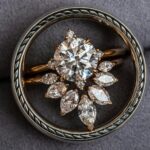
Forget everything you thought you knew about diamond alternatives. There’s a new star in the jewelry galaxy, and it’s been dazzling people for years without many even realizing it. We’re talking about moissanite! If you’ve ever admired a especially sparkly ring or pendant and wondered, “What’s a moissanite?” you’re in the right place. This isn’t just another shiny stone. it’s a marvel of science and beauty that offers incredible value and ethical appeal.
Last updated: April 23, 2026
Originally discovered in the late 19th century by French chemist Henri Moissan (hence the name!), natural moissanite is incredibly rare. The moissanite you see in jewelry today is almost exclusively lab-created. This process ensures a consistent, high-quality product that’s both beautiful and accessible. Think of it as nature’s brilliance, perfected by human ingenuity.
The Quick Answer: what’s Moissanite?
Moissanite is a naturally occurring mineral, silicon carbide, that’s extremely rare in its natural form. Gem-quality moissanite used in jewelry is typically created in a laboratory. It’s prized for its exceptional brilliance, fire (rainbow flashes), and durability, often rivaling or even exceeding that of diamonds, but at a lower price point.
From Asteroids to Your Finger: The Origin Story
The story of moissanite is pretty wild. Natural moissanite was first found by Henri Moissan in 1893 within fragments of a meteorite that had fallen to Earth. Yep, you read that right – stardust! Because it’s so incredibly scarce in nature, finding enough for commercial use would be impossible. This rarity is precisely why lab-created moissanite became the go-to. Companies like MoissaniteCo and others have mastered the process of synthesizing silicon carbide crystals under controlled conditions, resulting in stones that possess remarkable optical properties.
According to the Gemological Institute of America (GIA) (2023), the crystals are grown using advanced thermal methods. This allows for the creation of stones that are virtually flawless and exhibit the stunning visual characteristics we associate with high-quality gemstones.
Sparkle Showdown: Moissanite vs. Diamond
Here’s the question on everyone’s lips: How does moissanite stack up against its famous cousin, diamond? Let’s break it down.
Brilliance
Moissanite actually has a higher refractive index (RI) than diamond. This means it bends light more, resulting in more brilliance – that pure white sparkle. While diamonds typically have an RI of 2.42, moissanite clocks in around 2.65 to 2.69.
Fire (Dispersion)
Here’s where moissanite truly shines, quite literally. Its dispersion (the ability to split white light into spectral colors, creating that rainbow flash) is higher than a diamond’s. While diamonds have a dispersion of 0.044, moissanite’s is around 0.104. This means moissanite throws off more colorful flashes of light. Some people adore this intense ‘fire’, while others prefer the more subtle sparkle of a diamond. It’s a matter of personal preference!
Hardness and Durability
When we talk about durability, we usually mean hardness – a stone’s resistance to scratching. On the Mohs scale of hardness, diamonds are the undisputed champions at a perfect 10. Moissanite comes in at a very respectable 9.25. For context, sapphires and rubies (corundum) are 9. This makes moissanite incredibly durable, suitable for everyday wear and less prone to scratching than most other gemstones. According to Mindat.org, a complete mineral database, silicon carbide’s hardness is well-documented.
Clarity and Color
Lab-created moissanite is typically produced to be internally flawless and colorless or near-colorless. Gemologists grade diamonds on a color scale from D (colorless) to Z (light yellow or brown). High-quality moissanite often falls into the D-E color range, meaning it’s exceptionally white. However, some moissanite can exhibit subtle warmer tones, especially in larger sizes — which contributes to its unique charm.
Price Point
This is a major deciding factor for many. Moissanite is more affordable than diamond. You can often get a moissanite stone that’s twice the carat weight of a comparable diamond for a fraction of the price. For example, a 1-carat diamond might cost upwards of $5,000-$10,000 depending on quality, while a 1-carat equivalent moissanite might range from $300-$800. Checking sites like Brilliant Earth can give you a sense of current market pricing for both.
| Feature | Moissanite | Diamond |
|---|---|---|
| Hardness (Mohs) | 9.25 | 10 |
| Brilliance (RI) | 2.65-2.69 | 2.42 |
| Fire (Dispersion) | 0.104 | 0.044 |
| Origin | Lab-created (mostly) | Natural or Lab-created |
| Price | $$ | $$$$$ |
Is Moissanite a Good Choice for Engagement Rings?
Absolutely! Many couples are choosing moissanite for their engagement rings, and for good reason. It ticks many of the boxes people look for: stunning beauty, impressive durability, and affordability. Plus, the ethical aspect is a huge draw for many consumers. Since it’s lab-created, there’s no concern about conflict minerals or environmentally damaging mining practices. It aligns perfectly with the growing demand for ethical jewelry.
Choosing moissanite means you can often afford a larger center stone, a more elaborate setting, or simply save money compared to a diamond of equivalent size. It allows you to get the look and feel of a high-end diamond ring without the hefty price tag. It’s a smart, stylish, and conscious choice.
Practical Tips for Buying Moissanite
Ready to dive in? Here are some tips to help you find the perfect moissanite piece:
- Understand the ‘C’s (but differently): While clarity and color are important, moissanite’s superior hardness and brilliance are key selling points. Focus on the cut (ensure it’s well-proportioned for maximum sparkle) and look for stones that are colorless or near-colorless (equivalent to D-F on the diamond scale) unless you In particular want the warmer, rainbow-like fire.
- Check for Certifications: Reputable sellers will provide a grading report or certificate for larger moissanite stones, similar to diamonds. This usually details the stone’s specifications (size, color, clarity) and confirms its authenticity. Brands like Charles &. Colvard have been pioneers in the industry and offer their own certifications.
- Look at the Sparkle: Moissanite’s fire is intense. If you prefer a more subdued sparkle, you might want to look at moissanite that’s been cut to mimic diamond’s brilliance more closely, or perhaps consider a different gemstone altogether. However, most find the fire captivating.
- Shop Reputable Retailers: Stick to well-known jewelers or specialized online stores that have good reviews and transparent return policies. This ensures you’re getting a genuine product and reliable service.
- Consider the Setting: Moissanite’s durability makes it suitable for any type of setting, from classic solitaires to intricate halo designs. Its brilliance also means it pairs beautifully with various metal colors, like white gold, yellow gold, or platinum.
Is Moissanite Ethical?
Yes, lab-created moissanite is considered a highly ethical gemstone choice. Unlike mined diamonds — which can be associated with environmental damage, habitat destruction, and in some cases, unethical labor practices or funding conflict, moissanite bypasses these issues entirely. The synthesis process is efficient, and the resulting gemstone is conflict-free by its very nature. This ethical advantage is a significant reason for its growing popularity, aligning with consumer demand for transparency and sustainability in the jewelry market.
Caring for Your Moissanite
Taking care of your moissanite jewelry is simple. Because it’s so hard and resistant to scratching, it holds up well to daily wear. However, like any jewelry, it can lose its luster over time due to oils, lotions, and everyday grime buildup.
The best way to clean moissanite is with warm water, mild dish soap (like Dawn), and a soft brush (a toothbrush works great). Gently scrub the stone and the setting to remove any debris. Rinse thoroughly and dry with a lint-free cloth. Avoid harsh chemicals or ultrasonic cleaners, as these can sometimes damage the setting or, in rare cases, affect the stone’s coating if it’s a treated variety (though most common moissanite isn’t coated).
Frequently Asked Questions
what’s the main difference between moissanite and diamond?
The primary differences lie in their composition, origin, and optical properties. Diamonds are pure carbon, naturally occurring (though lab-grown options exist), and have a higher hardness but less ‘fire’ than moissanite. Moissanite is silicon carbide, lab-created, and exhibits more brilliance and intense rainbow-colored flashes.
Can moissanite pass a diamond tester?
Traditional diamond testers measure thermal conductivity. Diamonds conduct heat exceptionally well, while moissanite conducts it less effectively. Therefore, a standard diamond tester will likely register moissanite as not a diamond. However, many modern testers are designed to distinguish between the two based on their electrical conductivity as well.
Is moissanite considered a ‘real’ gemstone?
Yes, moissanite is considered a real gemstone. While most jewelry moissanite is lab-created, it’s a genuine mineral (silicon carbide) with distinct physical and chemical properties, just like naturally occurring gemstones. Lab creation simply provides a consistent and ethical source.
Does moissanite lose its sparkle over time?
Moissanite itself doesn’t lose its sparkle due to chemical breakdown. Its brilliance and fire are inherent properties. However, like any gemstone, it can become dirty from oils and lotions — which will temporarily reduce its sparkle. Regular cleaning will restore its original luster.
How much does moissanite jewelry typically cost?
The cost varies greatly depending on the size, cut, and metal of the jewelry piece. However, as a general rule, moissanite is more affordable than diamond. A 1-carat equivalent moissanite stone might cost a few hundred dollars, whereas a 1-carat diamond of comparable quality could cost thousands.
The Verdict: Shine On with Moissanite
So, what’s a moissanite? It’s a brilliant, durable, ethical, and surprisingly affordable gemstone that offers incredible sparkle. Whether you’re looking for an engagement ring that makes a statement without breaking the bank, a dazzling necklace, or simply want to understand the fascinating gems hitting the market, moissanite is definitely worth your attention. Its combination of beauty, performance, and conscious creation makes it a standout choice in today’s jewelry world. It’s proof that you don’t always need to follow the traditional path to find something truly spectacular.