

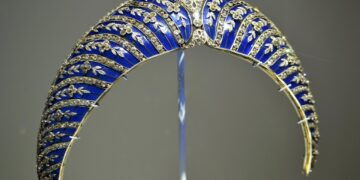










Evaluating gemstone clarity and color requires understanding that for most colored gems, vibrant color is the primary driver of value and often takes priority over minor internal inclusions. While strict clarity is crucial for diamonds, colored stones such as rubies and emeralds are frequently prized far more for their vivid hue, balanced tone, and high saturation than for complete purity. This guide explains how clarity and color interact, detailing the core components of gem evaluation alongside common natural inclusions. It also covers widespread industry treatments like heat and oil filling, practical assessment steps using magnification, buying mistakes to avoid, and expert tips for selecting the right gemstone.
What is the most important factor in gemstone value: clarity or color?
For most colored gemstones, color is the primary driver of value, followed by clarity. For diamonds, however, clarity is given more weight, with color also being a significant factor. The specific gem type dictates the priority. In diamonds, tiny microscopic internal flaws can severely downgrade a stone’s trade grade because diamonds are valued primarily for their brilliance, dispersion, and light reflection. Colored gemstones operate on a different market standard: color saturation and hue dominate commercial pricing, meaning a vividly colored stone with visible internal features often commands a significantly higher price than a pale, perfectly clear stone of the same mineral variety.
The Three Dimensions of Gemstone Color
Evaluating gem color requires breaking it down into three distinct visual dimensions: hue, tone, and saturation. Assessing each component independently prevents misinterpreting dark stones as deeply colored or bright stones as high quality.
1. Hue
Hue refers to the precise spectral color of the gemstone, such as pure red, blue, or green, as well as secondary modifying hues like violetish-blue or yellowish-green. Primary hues without strong secondary modifiers typically hold higher commercial demand, though subtle secondary colors can add warmth or depth depending on the gem variety.
2. Tone
Tone describes the relative lightness or darkness of the color, ranging from near-white to near-black. Optimum gem value usually sits in the medium to medium-dark tone range. If a gem’s tone is too light, the color appears washed out; if the tone is too dark, the gem loses visual brilliance and can appear black under indirect light.
3. Saturation
Saturation measures the intensity, strength, or purity of the hue. Saturation ranges from dull gray or brownish tones to vivid, pure intensity. For almost all colored gems, vivid saturation without gray or brown masking is the single most desirable optical characteristic.
Understanding Gemstone Clarity and Inclusions
Unlike diamonds, which are evaluated under a single unified clarity scale (from Flawless to Included), colored gemstones are categorized into three distinct clarity types based on how they naturally form in the Earth’s crust.
Type I Gemstones
Type I gems usually grow with very few internal inclusions in nature. Standard market expectations demand that these stones be virtually eye-clean. Common Type I gemstones include:
- Aquamarine
- Blue Topaz
- Morganite
- Green Tourmaline
- Tanzanite
Type II Gemstones
Type II gems typically form with some natural inclusions. Minor internal characteristics are widely accepted by trade standards and buyers. Common Type II gemstones include:
- Ruby
- Sapphire
- Amethyst
- Garnet
- Peridot
- Alexandrite
Type III Gemstones
Type III gems almost always feature noticeable internal inclusions due to their natural growth environment. Flawless examples are extraordinarily rare. The primary example of a Type III gemstone is:
- Emerald
- Red Beryl
In emeralds, internal inclusions are so routine and distinctive that they are referred to as the gem’s jardin (French for garden). These internal veils confirm natural origin without necessarily degrading the gem’s beauty.
Common Types of Natural Inclusions
Inclusions are internal features trapped inside a crystal during its formation. Understanding the specific nature of an inclusion helps determine whether it compromises the gem’s strength or enhances its identity.
- Silk: Microscopic, needle-like crystals of rutile or other minerals that intersect within corundum (rubies and sapphires). Fine silk can diffuse light softly across the stone, creating a velvety appearance or generating star effects (asterism).
- Feathers: Small internal fractures or cleavages that resemble bird feathers. While small feathers away from the surface cause minimal concern, surface-reaching feathers can weaken structural integrity.
- Crystals: Mineral crystals enclosed inside the host gem during growth. These can range from microscopic grains to visible mineral structures.
- Liquid Veils and Fingerprints: Partially healed internal fractures filled with microscopic liquid droplets, forming patterns resembling human fingerprints.
Gemstone Treatments and Disclosure Requirements
Because high-clarity and vividly colored rough stone is rare, various enhancement techniques are applied across the industry to enhance clarity or alter color. Understanding these treatments ensures buyers evaluate pricing accurately.
Heat Treatment
Applied extensively to rubies and sapphires, controlled high temperatures dissolve internal silk, reduce brownish secondary tones, and intensify primary blues and reds. Heat treatment is widely accepted in the trade, though unheated stones with equivalent color command a major price premium.
Fracture Filling and Oiling
Commonly applied to emeralds, surface-reaching fractures are filled with colorless cedarwood oil, natural resins, or synthetic polymer substances. This process reduces the visibility of fractures by matching the refractive index of the gem, dramatically improving optical clarity.
Irradiation and Surface Diffusion
Irradiation exposes gems to radiation to alter optical color centers (frequently used for blue topaz). Surface or lattice diffusion involves heating gems in the presence of chemical elements like beryllium to introduce rich outer color layers. Full disclosure of these treatments is mandatory, as unenhanced gems command a substantial market premium over heavily altered stones.
Step-by-Step Guide to Evaluating Gem Clarity and Color
Follow these practical assessment steps when examining a gemstone in person or reviewing laboratory reports:
- Establish Proper Lighting: Inspect color under indirect natural daylight or balanced 5500K neutral light. Avoid warm yellow retail spotlights or harsh fluorescent tubes, which skew true color perception.
- Observe Against a Neutral Background: Place the stone unmounted against a clean, matte white card to evaluate hue, tone, and saturation without reflection interference from skin tones or metal mountings.
- Perform the Unaided Eye Test: Hold the gem approximately 12 inches (30 cm) from your eyes under standard illumination to determine if it is “eye-clean” (free of eye-visible inclusions).
- Inspect Under 10x Magnification: Use a standard 10x jeweler’s loupe to examine internal structures. Identify whether inclusions are harmless mineral crystals or dangerous surface-reaching fractures near vulnerable edges like the girdle or point.
- Check for Extinction and Windows: Tilt the gem in multiple directions. Look out for “windows” (washed-out see-through areas caused by poor cutting) or “extinction” (dark, dead zones where light escapes without reflecting back).
Gemstone Assessment Comparison Matrix
The table below compares visual tolerances, priority rankings, and typical trade expectations across major gem categories:
| Gemstone Category | Primary Valuation Factor | Clarity Classification | Expected Clarity Level | Common Industry Enhancement |
|---|---|---|---|---|
| Diamond | Clarity & Cut | Diamond Standard | Eye-clean to Flawless | Infrequent (Laser drilling/filling) |
| Ruby & Sapphire | Color Saturation | Type II | Slight inclusions accepted | High-temperature heating |
| Emerald | Color Hue & Saturation | Type III | Visible jardin standard | Colorless oil or resin filling |
| Aquamarine & Topaz | Clarity & Cut | Type I | Strictly eye-clean | Irradiation (Topaz) / Mild Heat |
Common Buying Mistakes and Practical Fixes
Mistake 1: Expecting Diamond Clarity in Colored Gems
Buyers often reject fine rubies or emeralds because they feature internal birthmarks. Fix: Learn the clarity type of the specific gem species; minor inclusions in Type II and III gems confirm natural origin without undermining value.
Mistake 2: Judging Color Under Store Lighting
Jewelry store halogen spotlights distort stone color, making pale gems look intensely saturated. Fix: Request to view the unmounted stone near a window in direct natural light or under standardized grading lamps.
Mistake 3: Ignoring Structural Surface Fractures
Focusing entirely on color while ignoring deep cracks reaching the crown or girdle leaves stones vulnerable to breaking upon impact or during setting. Fix: Always inspect stone perimeters under 10x magnification for surface-reaching fissures.
Mistake 4: Purchasing Enhanced Gems Without Disclosure
Paying unenhanced market prices for fracture-filled or heavily heat-treated gems results in severe financial overpayment. Fix: Require written disclosure on receipts and request independent gemological lab certificates for major gemstone purchases.
Who This Guidance Does Not Suit
While these evaluation principles apply broadly across retail and commercial colored gemstone markets, this advice is not tailored for every buyer:
- Industrial Diamond and Abrasive Buyers: Material applications prioritize hardness and grain structure rather than optical clarity or decorative color.
- Lab-Created / Synthetic Gemstone Buyers: Synthetic gems produced in controlled environments generally lack natural crystal inclusions, making natural clarity classification rules irrelevant.
- Historical Antique & Auction Collectors: High-end provenance, historical importance, and antique cutting styles often outweigh standard commercial color-saturation and clarity rubrics.
Making Your Choice
Understanding gemstone clarity and color is a journey, not a destination. By paying attention to hue, tone, saturation, and the nature of inclusions, you can make more informed and satisfying jewelry choices. As you handle the dazzling world of gems in 2026, remember that beauty is often in the eye of the beholder—and sometimes, those unique characteristics are what make a stone truly special.
Frequently asked questions
Are flawless gemstones always more expensive?
Generally, yes, flawless gemstones command higher prices due to their extreme natural rarity. However, a gem with a stunning, rare color and minor inclusions can be far more valuable than a flawless gem with a pale or undesirable hue.
What does ‘eye-clean’ mean for a gemstone?
Eye-clean means that no inclusions are visible to the unaided human eye when the gemstone is viewed under normal lighting conditions at a distance of approximately 12 inches (30 cm).
How do treatments affect gemstone clarity and color?
Treatments like heating or oil filling enhance a gemstone’s visible color and clarity, making the stone appear significantly more attractive. It is crucial that sellers disclose these treatments, as unenhanced natural gems command substantial financial market premiums over treated stones.
Can inclusions make a gemstone more valuable?
In rare cases, specific inclusions that create desirable optical effects or confirm geographic origin add character and value. Examples include fine rutile “silk” creating velvety texture in Kashmir sapphires, six-rayed star patterns (asterism), or specific inclusions confirming unheated origin.
What is the best way to check gemstone color and clarity?
Evaluate color under balanced, natural daylight against a neutral white background. Check clarity first with the unaided eye for overall appearance, then use a 10x jeweler’s loupe under focused light to inspect internal inclusions and structural integrity.
Source: Vogue
Related Articles
- Sneaker Resale Markets: Trends & Tips for 2026
- Blush Tall Signature Tee: Perfect Fit Guide
- How to Choose the Perfect Engagement Ring Setting in 2026
Sources: Gemstone