











The 4 Cs of Diamonds Explained: Your 2026 Buying Guide
When you’re looking to buy a diamond, especially for a significant purchase like an engagement ring, the sheer volume of information can be overwhelming. What makes one diamond breathtakingly beautiful, and another merely adequate? The answer, for decades, has rested on four key attributes known as the 4 Cs: Cut, Color, Clarity, and Carat. As of May 2026, understanding these factors remains the bedrock of making an informed diamond purchase, ensuring you get both sparkle and value. Let’s break down what each ‘C’ truly means and how they influence your decision.
Last updated: May 6, 2026
Key Takeaways
- Diamond value is primarily determined by its Cut, Color, Clarity, and Carat weight—the 4 Cs.
- Cut is paramount for sparkle, influencing how light reflects and refracts within the stone.
- Color grades range from D (colorless) to Z (light yellow/brown), with colorless diamonds being rarer and more valuable.
- Clarity assesses internal and external imperfections, with Flawless (FL) being the highest and most valuable grade.
- Carat refers to the diamond’s weight, not its size, with larger carats generally commanding higher prices per unit.
Diamond Cut: The Sparkle Factor
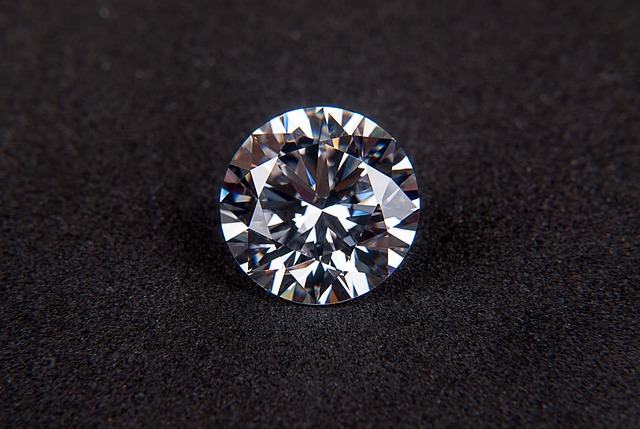
Often misunderstood as the diamond’s shape (round, princess, oval, etc.), the ‘Cut’ actually refers to how well a diamond has been proportioned, faceted, and polished. This is arguably the most critical ‘C’ because it dictates the diamond’s brilliance, fire, and scintillation—essentially, how much it sparkles. A poorly cut diamond, even if large and colorless, will appear dull and lifeless.
GIA (Gemological Institute of America) grades diamond cut on a scale from Excellent to Poor. An ‘Excellent’ cut diamond reflects light internally and bounces it back to the viewer with maximum brilliance. Factors like depth, table size, crown angle, and pavilion depth all play a role. For instance, a diamond that’s too deep might appear dark, while one that’s too shallow can lose light through the bottom.
When considering cut, think about the trade-off: a superior cut can make a slightly smaller or lower-colored diamond appear more vibrant than a larger, less well-cut stone. For many buyers, prioritizing an Excellent or Very Good cut is a smart move to maximize visual appeal.
Diamond Color: From Colorless to Tinted
Diamond color refers to the natural body color present in the diamond. The GIA color scale runs alphabetically from ‘D’ (completely colorless) to ‘Z’ (light yellow or brown). As of May 2026, diamonds graded D, E, and F are considered ‘colorless’ and are the rarest and most valuable. G, H, I, and J are ‘near colorless,’ often indistinguishable to the untrained eye but more affordable.
K, L, and M diamonds fall into the ‘faint’ category, where a slight yellow or brown tint might be noticeable. Diamonds graded N through Z show a distinct color. For most buyers, the sweet spot is often in the near-colorless range (G-J), offering a beautiful, bright appearance without the premium price of true colorless stones.
remember that fancy colored diamonds (like pink, blue, or green) are graded on a different scale and are highly sought after, commanding significantly higher prices. When evaluating color, always look at the diamond in person if possible, and consider the setting; yellow gold settings can sometimes make a near-colorless diamond appear warmer, masking any slight tint.
Diamond Clarity: The Purity Scale
Clarity measures the presence of internal inclusions and external blemishes on a diamond. These are natural imperfections that occurred during the diamond’s formation or were caused by the cutting process. The fewer and less noticeable these imperfections are, the higher the clarity grade and, generally, the higher the price.
The GIA clarity scale starts with Flawless (FL) and Internally Flawless (IF), meaning no inclusions or blemishes are visible under 10x magnification. Next are Very, Very Slightly Included (VVS1 and VVS2), followed by Very Slightly Included (VS1 and VS2). These grades represent minor inclusions that are difficult to see under magnification.
Slightly Included (SI1 and SI2) diamonds have inclusions that are visible under 10x magnification, and Included (I1, I2, and I3) diamonds have inclusions that are obvious and can affect the diamond’s durability and sparkle. For many buyers, the ‘eye-clean’ threshold—where imperfections are not visible to the naked eye—is found in the VS or SI grades. A VS1 or SI1 diamond can offer excellent value, appearing clear to the casual observer while costing less than IF or VVS stones.
Diamond Carat: Weight vs. Size
The carat is a unit of weight for gemstones, where one carat is equal to 0.2 grams. It’s a common misconception that carat directly equates to a diamond’s size; while larger carats usually mean larger diamonds, the cut plays a significant role in how big a diamond appears. A well-cut 1-carat diamond can look as large as a poorly cut 1.2-carat diamond.
As of May 2026, the price of diamonds typically increases exponentially with carat weight. A 2-carat diamond will cost significantly more than two 1-carat diamonds, even if the quality of the two 1-carat stones is higher. This is because larger, high-quality diamonds are much rarer.
When choosing carat weight, consider your budget and the overall look you desire. Popular ‘magic numbers’ like 1.00, 1.50, and 2.00 carats often come with a price jump. Sometimes, opting for a diamond slightly under these marks (e.g., 0.95 carats instead of 1.00) can offer substantial savings without a noticeable visual difference.
The Interplay of the 4 Cs
It’s crucial to understand that the 4 Cs don’t exist in isolation; they interact to determine a diamond’s overall beauty and value. For instance, a large carat weight might be less desirable if the diamond has poor clarity or a dull cut. Conversely, an exceptional cut can elevate the perceived beauty of a diamond with a slightly lower color or clarity grade.
When purchasing, you’ll need to decide which ‘C’ is most important to you and where you can compromise based on your budget. A common strategy is to prioritize cut for maximum sparkle, then find the best color and clarity you can afford within your budget, and finally, select the carat weight that fits. For example, a buyer might opt for an ‘eye-clean’ SI1 clarity diamond with a near-colorless G color, an Excellent cut, and a 1.5-carat weight, balancing all factors.
Beyond the 4 Cs: Other Factors to consider
While the 4 Cs are the primary determinants of a diamond’s quality and price, other factors also influence its appeal and value. These include fluorescence, the diamond’s polish, and symmetry, all of which are detailed on a GIA grading report.
Fluorescence refers to a diamond’s tendency to emit a visible glow when exposed to ultraviolet light. While often subtle, strong fluorescence can sometimes make a diamond appear milky or hazy, particularly in higher color grades. GIA grades fluorescence on a scale from None to Very Strong.
Polish and Symmetry relate to the diamond’s finish. Excellent polish and symmetry mean the diamond’s facets are precise and its surfaces are smooth, contributing to better light reflection and overall beauty. These are typically assessed by a gemologist and noted on the grading report.
Certification is non-negotiable. Always ensure your diamond comes with a reputable grading report from an independent laboratory, such as the GIA or AGS (American Gem Society). These reports provide an objective assessment of the 4 Cs and other characteristics, giving you confidence in your purchase. As of 2026, GIA reports are widely considered the industry standard.
Making Your 2026 Diamond Purchase
Navigating the diamond market can feel complex, but armed with knowledge of the 4 Cs, you’re well-equipped to make a smart decision. Remember that ‘value’ is subjective and depends on your priorities. Do you want the largest possible stone, or is exceptional brilliance your main goal?
A Real-World Scenario: Consider Sarah, who was looking for a 1-carat engagement ring. She had a budget of $5,000. After research, she realized that prioritizing an ‘Excellent’ cut was paramount for her. She found a 1.05-carat diamond with an Excellent cut, G color, and VS2 clarity for $4,800. It was slightly lower in clarity than she initially aimed for, but the superior cut and color made it sparkle beautifully and appear ‘eye-clean,’ fitting her budget perfectly. Her friend, Emily, on the other hand, prioritized carat weight and found a 1.30-carat diamond with an Excellent cut, K color, and SI1 clarity for a similar price, accepting the warmer color and slightly more visible inclusions to get more weight.
The best diamond for you is one that meets your aesthetic preferences, fits your budget, and is backed by a reliable grading report. Don’t be afraid to ask questions and compare stones side-by-side.
Pros and Cons of Prioritizing Each ‘C’
- Prioritizing Cut:
- Pros: Maximizes sparkle, brilliance, and fire. A well-cut diamond can make other grades appear better.
- Cons: Can be more expensive per carat than diamonds with lesser cuts.
- Prioritizing Color:
- Pros: Offers a near-colorless to colorless appearance, perceived as purer and more valuable.
- Cons: Higher grades (D-F) are significantly more expensive and may offer minimal visual difference to the untrained eye compared to near-colorless (G-J).
- Prioritizing Clarity:
- Pros: Guarantees minimal to no visible imperfections under magnification, appealing to those seeking absolute purity.
- Cons: Very high clarity grades (FL, IF, VVS) come with a substantial price premium for minute differences.
- Prioritizing Carat Weight:
- Pros: Larger diamonds make a bolder statement and are often perceived as more impressive.
- Cons: Larger stones are rarer and thus more expensive per carat. Poor cut or clarity can significantly diminish the appearance of size and beauty.
Common Mistakes When Buying Diamonds
Many buyers make similar missteps. One common error is focusing too much on carat weight alone, neglecting the impact of cut on sparkle. Another is buying without a GIA or AGS report, relying solely on a jeweler’s word, which can lead to overpaying or receiving a lower-quality stone.
Overspending on color or clarity when a slightly lower grade would be imperceptible to the naked eye is also frequent. For example, paying for a D color when a G color looks identical in a yellow gold setting. Always remember to balance the 4 Cs according to your personal priorities and budget. Considering a stone slightly under a ‘magic carat’ weight can also lead to significant savings.
Expert Tips for Your 2026 Diamond Hunt
Beyond the 4 Cs, here are a few expert tips to guide your purchase in 2026. First, understand that the diamond market is dynamic; prices fluctuate. Always compare prices from reputable sources. Second, consider lab-grown diamonds as a more affordable and ethically sourced alternative if natural origin isn’t a must-have.
Third, when buying a diamond for jewelry, the setting matters. A well-chosen setting can enhance a diamond’s appearance, making a slightly smaller stone look larger or masking a slight color tint. For instance, platinum or white gold settings complement colorless and near-colorless diamonds, while yellow gold can enhance warmer-toned stones. Finally, trust your eyes—if you love how a diamond looks, and it fits your budget and has a solid report, it’s likely the right choice for you.
Frequently Asked Questions
What are the 4 Cs of diamonds?
The 4 Cs are Cut, Color, Clarity, and Carat weight. These are the universal standards used to assess the quality and value of a diamond. Each ‘C’ plays a vital role in a diamond’s appearance and price.
Which of the 4 Cs is most important?
Most gemologists agree that diamond Cut is the most crucial ‘C’ for sparkle. A superior cut can make a diamond appear brighter and more beautiful, even if its other grades are slightly lower.
Can you see diamond inclusions with the naked eye?
Inclusions in diamonds graded VS (Very Slightly Included) or higher are typically not visible to the naked eye. SI (Slightly Included) grades may have inclusions visible, especially SI2, but many are still ‘eye-clean’.
How do the 4 Cs affect diamond price?
All four Cs significantly impact price. Higher grades in Cut, Color, Clarity, and Carat weight generally result in a higher price, with rarity being a key factor, especially for larger carat weights and top color/clarity grades.
Are lab-grown diamonds graded using the 4 Cs?
Yes, lab-grown diamonds are graded using the same 4 Cs (Cut, Color, Clarity, Carat) as natural diamonds. However, their grading reports will specify they are laboratory-grown, and they are typically more affordable.
Where can I find a reliable diamond grading report?
Always look for diamonds accompanied by a report from a reputable, independent gemological laboratory, such as the Gemological Institute of America (GIA) or the American Gem Society (AGS). These reports are unbiased assessments.
When buying a diamond, remember that the 4 Cs provide a framework for understanding quality. By prioritizing what matters most to you and balancing these factors against your budget, you can confidently select a diamond that will be cherished for years to come. The actionable takeaway is to always prioritize cut for sparkle, then balance color, clarity, and carat weight based on your personal preferences and financial comfort zone.
Last reviewed: May 2026. Information current as of publication; pricing and product details may change.
Source: Vogue
Editorial Note: This article was researched and written by the Anarchy Label editorial team. We fact-check our content and update it regularly. For questions or corrections, contact us. Knowing how to address The 4 Cs of Diamonds Explained: Your 2026 Buying Guide early makes the rest of your plan easier to keep on track.
Related read: Fashion Nova Discount Codes: Score More Style for Less in 2026.