






Diamond Cuts: Avoid Blunders, Pick the Perfect Sparkle
This guide covers everything about different diamond cuts. So, you’re in the market for a diamond. Exciting stuff! But before you get blinded by the sparkle (which, let’s be honest, is part of the appeal), there’s a Key decision to make: the diamond cut. It’s not just about the shape. It’s about how that shape interacts with light, affecting brilliance, fire, and scintillation. Get it wrong, and you could end up with a dull stone that cost a fortune. We’re here to help you sidestep those common pitfalls and choose a diamond cut that truly shines.
Last updated: April 22, 2026
Choosing the right diamond cut is really important because it directly influences how much a diamond sparkles. While the 4Cs (Carat, Clarity, Color, Cut) are all important, the cut is often considered the most critical for a diamond’s visual appeal. A well-cut diamond, regardless of its carat weight or color grade, will exhibit superior brilliance and fire compared to a poorly cut one.
What Exactly is Diamond Cut Quality?
When we talk about diamond cut, we’re not just referring to the shape (like round, princess, or emerald). We’re talking about the proportions, symmetry, and polish of the diamond. According to the Gemological Institute of America (GIA) (2023), cut quality is the most complex of the 4Cs, as it encompasses three main factors: brilliance (the white light reflected), fire (the dispersion of light into rainbow colors), and scintillation (the play of light and shadow as the diamond moves).
Think of it like a mirror. If the mirror is warped or dirty, it won’t reflect light effectively. A diamond cut to precise proportions allows light to enter through the top, bounce off the internal facets, and return to your eye, creating that dazzling effect. A poorly cut diamond might have its light leak out the sides or bottom, making it appear dull.
The Classic Round Brilliant: King of the Cuts
The round brilliant cut is by far the most popular diamond shape, accounting for about 75% of all diamond sales. It was In particular engineered to maximize brilliance and fire, featuring 57 or 58 facets. Its brilliance is legendary, and it’s often seen as the benchmark for diamond sparkle.
However, its popularity comes with a price tag. Round brilliant diamonds are typically the most expensive per carat due to the significant amount of rough diamond that must be cut away to achieve its ideal shape. Here’s a key point to remember: you’re paying a premium for that iconic sparkle and the engineering behind it.
Mistake to Avoid: Paying for a Poorly Cut Round Brilliant
The biggest blunder here’s assuming all round diamonds sparkle equally. You can find round diamonds that are cut too deep or too shallow, both of which will kill the sparkle. Always look for a cut grade of Excellent or Very Good from reputable grading labs like GIA or AGS (American Gem Society). Don’t just take the seller’s word for it. Check the grading report.
Beyond Round: The Allure of Fancy Shapes
Fancy shapes are any diamond cuts that aren’t round. These cuts often offer more bang for your buck because less rough diamond is wasted during the cutting process, and they aren’t as highly sought after as the round brilliant. This means you can often get a larger stone or one with a higher clarity/color grade for the same price.
Princess Cut: The Modern Square
The princess cut is the second most popular diamond shape. It’s a square cut with sharp, unblunted corners and a pyramidal shape. It offers excellent brilliance, rivaling the round brilliant, and its shape is efficient, meaning less waste from the rough diamond. According to some estimates, a princess cut can retain up to 80% of the original rough diamond, compared to about 50% for a round brilliant.
This efficiency often translates to a lower price per carat compared to a round diamond of similar quality. It’s a fantastic choice for those who love a square shape but want maximum sparkle.
Mistake to Avoid: Chip-Prone Corners
The sharp corners of a princess cut can be vulnerable to chipping. When looking at princess cuts, pay attention to the setting. A protective setting, like a four-prong setting where the prongs cover the corners, is highly recommended. Also, check the symmetry of the cut. Uneven corners can be a sign of poor craftsmanship.
Emerald Cut: Sophisticated Elegance
The emerald cut is a rectangular step cut, meaning its facets are long and rectangular, resembling steps. It’s known for its elegant, sophisticated look and its hall-of-mirrors effect. Because it has fewer, larger facets, it doesn’t have the intense sparkle (brilliance and fire) of a round brilliant.
Instead, it offers a more subtle, sophisticated glow. This cut also tends to show inclusions (imperfections) more readily than brilliant cuts, so clarity is especially important. Emerald cuts can look larger than other shapes of the same carat weight due to their elongated shape.
Mistake to Avoid: Focusing Solely on Carat
With emerald cuts, you can’t hide flaws. A diamond with lower clarity (like I1 or I2) will look noticeably “included” through those large facets. Aim for at least a VS2 clarity grade, or even better, a VVS1 or VVS2, to ensure the stone looks clean to the naked eye. The GIA’s grading scale for clarity ranges from Flawless (FL) to Included (I3).
Cushion Cut: The Romantic Choice
The cushion cut, also known as the “pillow cut,” combines a square or rectangular shape with rounded corners, giving it a soft, romantic appearance. It has a long history in jewelry, popular in the 18th and 19th centuries. Cushion cuts can be found in two main varieties: “standard” (more square) and “modified” (often with extra facets to increase brilliance).
Modified cushion cuts can offer impressive sparkle, sometimes approaching that of a round brilliant, while standard cushion cuts tend to have a softer glow. Many modern cushion cuts are designed to maximize brilliance.
Mistake to Avoid: Unpredictable Sparkle
The sparkle of cushion cuts can vary wildly depending on the specific faceting pattern. Some cushion cuts have a “crushed ice” look (many small sparkles), while others have a more distinct facet pattern. If you love the intense sparkle of a round brilliant, look for a modified cushion cut with a well-defined facet pattern. If you prefer a softer glow, a standard cushion cut might be better. Always view the diamond in person or via high-quality video.
Oval Cut: Elongated Elegance
The oval cut is basically a modified round brilliant, elongated to create a flattering, slimming effect on the finger. It offers excellent brilliance and fire, often comparable to a round brilliant, but with a slightly higher yield from the rough stone, making it a bit more affordable.
Its elongated shape can also make it appear larger than a round diamond of the same carat weight. The symmetry of an oval cut is Key for its beauty. Look for a length-to-width ratio of around 1.3 to 1.5 for a balanced look.
Mistake to Avoid: The Bow-Tie Effect
Most oval cuts exhibit a “bow-tie effect” – a shadow pattern in the center of the diamond that resembles a bow tie. Here’s a natural optical phenomenon. While a slight bow tie is normal and acceptable, an overly prominent or dark bow tie can detract from the diamond’s beauty. Look for an oval cut where the bow tie is minimal and not distracting.
Asscher Cut vs. Emerald Cut: A Common Confusion
People often confuse the Asscher cut and the emerald cut. Both are square step cuts, but the Asscher cut has cropped corners (like a cushion) and a distinct “X” pattern visible in the center. It’s known for its vintage appeal and geometric symmetry. The original Asscher cut was patented in 1905 by the Asscher Brothers, and modern versions are often copyrighted.
While both are step cuts, the Asscher cut is designed to maximize brilliance within its square, stepped framework, offering more sparkle than an emerald cut. However, like the emerald cut, clarity is important to avoid visible inclusions.
Mistake to Avoid: Assuming All Step Cuts Are Equal
Both Asscher and emerald cuts are less forgiving also known as the teardrop cut, is a hybrid cut combining features of the oval and marquise shapes. It has a rounded end and a pointed end, offering good brilliance and fire. Like the oval cut, its elongated shape can make it appear larger and flatter the finger.
The symmetry of the pear shape is critical. The point should align perfectly with the center of the rounded end. A well-cut pear shape will have a minimal bow-tie effect.
Mistake to Avoid: The Unbalanced Point
The pointed end of a pear shape is its most vulnerable part. Ensure the point is well-defined and not overly sharp or chipped. When set, it’s often best to protect the point with a V-prong setting.
Marquise Cut: Bold and Brilliant
The marquise cut is an elongated diamond with pointed ends and a symmetrical oval-like shape. Its unique form maximizes carat weight, making it appear larger than other cuts of the same weight. It also offers excellent brilliance due to its 58 facets.
The bold shape is eye-catching and can create a dramatic look. However, the pointed ends are susceptible to chipping, so protective settings are a must.
Mistake to Avoid: The Overbearing Bow-Tie
Similar to the oval and pear cuts, the marquise can suffer from a prominent bow-tie effect. Look for a marquise cut where the bow tie is subtle and doesn’t detract from the overall sparkle. The GIA’s cut grading system for round brilliant diamonds isn’t directly applied to fancy shapes, so visual inspection and trusting your eye are key.
Heart Shape: Symbol of Love
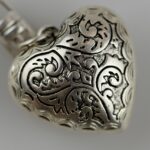
The heart shape is a fancy cut that’s basically a pear shape with a cleft at the top. It’s a highly symbolic cut, perfect for romantic occasions. While it can be brilliant, its beauty heavily relies on precise faceting and symmetry.
A well-executed heart shape should have a clear, defined cleft and symmetrical lobes. The pointed end should align with the center of the cleft.
Mistake to Avoid: Poorly Defined Lobes or Cleft
The most common mistake with heart shapes is a poorly defined cleft or uneven lobes. You can make the diamond look less like a heart and more like a lopsided pear. Look for a heart that’s clearly symmetrical, with a crisp, well-defined cleft. The ideal length-to-width ratio is typically around 1:1.
The 4Cs Connection: How They Intersect with Cut
While we’re focusing on cut, it’s essential to remember its relationship with the other 3Cs. A diamond’s color can be masked by a superior cut, and conversely, a poor cut can make a colorless diamond appear yellowish. Clarity is also affected. As noted, step cuts like emerald and Asscher show inclusions more readily. The GIA’s Diamond Dossier report provides detailed information on all 4Cs.
When choosing a diamond, consider which cut best suits your style and budget. Don’t be afraid to ask questions and seek advice from reputable jewelers. According to a study by Diamonds.pro (2024), the cut is responsible for up to 50% of a diamond’s brilliance, emphasizing its importance.
Frequently Asked Questions
Which diamond cut is the most popular?
The round brilliant cut is the most popular diamond cut, accounting for approximately 75% of diamond sales worldwide. Its popularity stems from its exceptional brilliance, fire, and scintillation — which are maximized through precise faceting and proportions.
Which diamond shape looks the largest for its carat weight?
Elongated shapes like the oval, marquise, and pear cuts tend to appear larger than round diamonds of the same carat weight because their surface area is spread out. The emerald cut can also appear larger due to its rectangular dimensions.
What does the “bow-tie effect” mean in diamonds?
The bow-tie effect is a shadow pattern that appears in the center of certain diamond shapes, such as oval, marquise, and pear cuts. It’s a natural optical phenomenon caused by light reflecting between facets and is considered acceptable if it’s minimal and doesn’t distract from the stone’s overall sparkle.
Are princess cuts good for engagement rings?
Yes, princess cuts are excellent for engagement rings. They offer brilliant sparkle comparable to round diamonds, are more affordable per carat, and their square shape is modern and stylish. However, their sharp corners can be prone to chipping, so protective settings are recommended.
Which diamond cut is best for hiding inclusions?
Brilliant cuts with many small facets, like the round brilliant and even some modified cushion cuts, are generally better at masking inclusions than step cuts. Step cuts like emerald and Asscher cuts have large, open facets that make imperfections more visible, so higher clarity grades are recommended for these shapes.
Making Your Final Choice
Selecting the right diamond cut is a blend of science and personal preference. While the round brilliant offers unmatched sparkle, fancy shapes provide unique aesthetics and often better value. Remember to prioritize cut quality regardless of the shape, as it’s the primary driver of a diamond’s beauty. Don’t fall for the trap of prioritizing size (carat) over brilliance. A smaller, well-cut diamond will always outshine a larger, poorly cut one. Always ask for a grading report from a reputable lab like GIA or AGS, and when in doubt, consult with a trusted jeweler.
Editorial Note: This article was researched and written by the Anarchy Label editorial team. We fact-check our content and update it regularly. For questions or corrections, contact us. Knowing how to address different diamond cuts early makes the rest of your plan easier to keep on track.