












80's outfits: A Decade of Bold Expression: Revisiting 80s Outfits in 2026
The 1980s weren’t just a decade; they were a seismic cultural shift, and nowhere was this more evident than in its fashion. As of June 2026, the echoes of ’80s style are not just a nostalgic echo but a vibrant resurgence, influencing contemporary designers and street style alike. From power suits that commanded boardrooms to the rebellious spirit of punk, 80s outfits offer a rich mix of looks that continue to inspire.
Last updated: August 31, 2026
When this topic comes up in practice, the immediate thought for many is a riot of neon, big hair, and excessive accessories. While these elements were certainly present, the era’s fashion was far more nuanced, encompassing distinct subcultures and powerful statements about identity and ambition. Understanding the core components of 80s outfits allows for a more authentic and impactful incorporation of these styles into modern wardrobes.
Key Takeaways
- The 1980s were characterized by bold silhouettes, vibrant colors, and a blend of power dressing and casual rebellion.
- Key elements of 80s outfits include oversized blazers, shoulder pads, acid wash denim, neon hues, statement jewelry, and high-waisted bottoms.
- Distinct subcultures like punk and New Wave significantly influenced 80s fashion, offering edgier alternatives to mainstream trends.
- As of 2026, 80s fashion is being reinterpreted with modern sensibilities, focusing on key pieces rather than head-to-toe replication.
- Accessorizing was crucial, with chunky jewelry, belts, and bold eyewear defining the decade’s look.
Power Dressing: The 80s Outfit for Ambition
The 1980s witnessed a significant rise in women entering the workforce and climbing corporate ladders. Fashion responded with ‘power dressing’—outfits designed to project authority, confidence, and success. This aesthetic is perhaps the most enduring legacy of 80s outfits, and its influence is palpable even today.
At the heart of power dressing were the iconic oversized blazers, often with pronounced shoulder pads. These were paired with tailored trousers or pencil skirts, creating a strong, structured silhouette. The idea was to mimic the sartorial authority traditionally associated with men’s suits. Materials like wool and sharp tailoring were key, emphasizing a professional and no-nonsense attitude.
Beyond the blazer, high-waisted trousers and skirts were common, cinched with wide belts to define the waist and balance the broader shoulders. Blouses often featured bold prints or pussy bows, adding a touch of femininity to the strong silhouette. This blend of masculine and feminine elements allowed women to assert their presence without sacrificing their individual style.
Consider the impact of Princess Diana’s style during this era. While often seen in more demure attire, her moments in sharp suits and bold shoulders demonstrated how to navigate formal occasions with grace and authority. Her fashion choices often became trendsetters for millions.
Casual Cool: The Evolution of 80s Streetwear
While power dressing dominated the professional sphere, 80s outfits for casual wear were equally dynamic, reflecting the decade’s burgeoning youth culture and the rise of streetwear. Comfort met bold design in ways that felt both rebellious and accessible.
Acid wash and distressed denim became ubiquitous. High-waisted jeans, often in a ‘mom’ fit, were paired with graphic t-shirts, band tees, or oversized sweatshirts. This relaxed yet statement-making approach to everyday wear was a departure from previous decades, emphasizing individuality and comfort.
Leg warmers, popularized by the fitness craze and films like ‘Flash dance,’ moved from the gym to the streets, often layered over leggings or jeans. Sneakers, particularly high-top styles, became essential footwear, cementing their status as a casual fashion staple. Brands like Nike and Adidas saw their popularity skyrocket during this period.
The ‘off-the-shoulder’ look, often achieved by pulling a sweatshirt down one side, became a signature casual style. This nonchalant aesthetic conveyed a sense of carefree confidence that resonated with a younger generation. It was about looking effortlessly cool, even when making a deliberate style choice.
In 2026, we see this influence in the continued popularity of wide-leg jeans and graphic tees. The casual comfort and expressive nature of 80s streetwear have found a comfortable home in modern wardrobes, proving its lasting appeal.
New Wave, Punk, and Alternative 80s Outfits
Beyond the mainstream, the 1980s fostered a rich world of alternative fashion, driven by music and youth subcultures. These styles were often a direct phản ứng to societal norms, offering a visual expression of dissent and creativity.
New Wave fashion embraced a more artistic and often androgynous aesthetic. Think vibrant, clashing colors, geometric patterns, and playful silhouettes. Musicians like David Bowie and Annie Lennox became icons of this style, experimenting with androgyny, elaborate makeup, and avant-garde clothing. The use of synthetic fabrics and metallic finishes was also common.
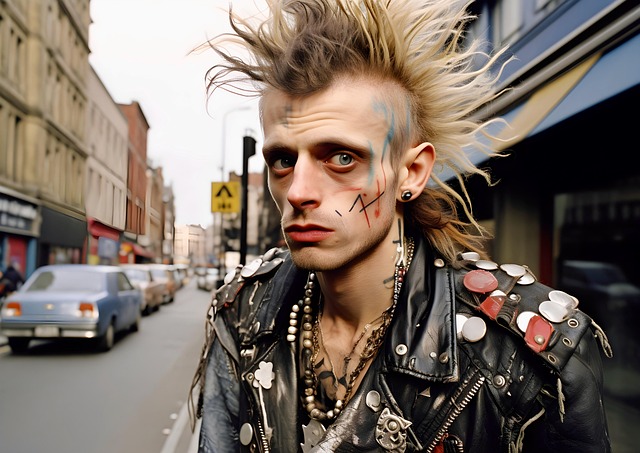
Punk fashion, which had emerged in the late 1970s, continued its evolution with an even more aggressive and DIY ethos. Ripped clothing, leather jackets adorned with studs and safety pins, band patches, and combat boots were staples. The anti-establishment sentiment was central to punk’s visual identity. The iconic DIY approach meant that each piece was often uniquely customized.
Goth fashion also gained traction, characterized by dark, often monochromatic clothing, dramatic makeup, and an emphasis on Victorian or medieval influences. Lace, velvet, and corsetry were common elements, creating a moodier, more romantic aesthetic.
As of June 2026, the DIY spirit and the embrace of diverse subcultural styles are more relevant than ever. These alternative 80s aesthetics offer a powerful way to express individuality and a rejection of mainstream conformity.
Fabrics and Textures: The Sensory Experience of 80s Outfits
The 1980s were a playground for new materials and bold textures, contributing significantly to the era’s distinctive look and feel. Designers embraced innovation, leading to fabrics that were both visually striking and, at times, surprisingly comfortable.
Spandex and Lycra became household names, largely due to the aerobics craze and its embrace in activewear and even everyday fashion. This stretchy material allowed for form-fitting garments that celebrated the body, from leggings and leotards to tight-fitting dresses. Its versatility made it a cornerstone of 80s outfits.
Denim, as mentioned, saw a revolution with acid washing and stone washing techniques that created unique, often mottled patterns. This gave jeans and jackets a worn-in, rebellious look straight off the rack. Beyond denim, leather and faux leather were popular for jackets, skirts, and trousers, adding an edge to many ensembles.
Shiny and metallic fabrics were also a hallmark of the decade, especially in evening wear and New Wave-inspired clothing. Lurex, lamé, and sequined materials added glamour and a futuristic sheen. These fabrics caught the light dramatically, perfect for the era’s penchant for attention-grabbing style.
In 2026, the tactile and visual appeal of these 80s materials continues to inspire. The resurgence of interest in vintage pieces often highlights the unique textures and finishes that defined the decade’s clothing.
Statement Accessories: The Finishing Touches on 80s Outfits
No discussion of 80s outfits would be complete without delving into the world of accessories. In this decade, accessories weren’t an afterthought; they were an integral part of the look, often serving as the focal point of an ensemble.
Jewelry was undeniably bold. Chunky, oversized pieces were the norm. Think large hoop earrings, bangles stacked high on wrists, and statement necklaces that could be made of plastic, metal, or even brightly colored beads. Geometric shapes and abstract designs were popular motifs.
Belts were another crucial element. Wide, cinching belts were used to emphasize the waist, particularly over oversized blazers, dresses, and sweaters. These could be made of leather, elastic, or even feature elaborate buckles.
Eyewear underwent a transformation, moving towards larger, more dramatic frames. Wayfarer-style sunglasses remained popular, but oversized, often colorful plastic frames, including cat-eye and aviator variations, made a significant impact. These frames were as much a fashion statement as they were functional.
Hair accessories were also key. Scrunchies, headbands, and large bows added pops of color and volume to the era’s signature big hair. For evening wear, ornate pins and jeweled clips were common.
In 2026, the trend towards maximalist accessorizing is seeing a revival, with bold jewelry and statement eyewear making a strong comeback, directly influenced by the 1980s.
How to Style 80s Outfits for 2026: A Modern Interpretation
Recreating 80s fashion in 2026 doesn’t mean a costume party. The key is to integrate iconic pieces into a contemporary wardrobe, focusing on balance and modern fits. The goal is to evoke the spirit of the ’80s, not to replicate it wholesale.
Start with a Single Statement Piece: Instead of a head-to-toe ’80s look, choose one key item. This could be an oversized blazer, a pair of high-waisted mom jeans, or a graphic tee. Pair it with modern staples to ground the look.
Balance Silhouettes: If you’re wearing an oversized top or blazer, balance it with slimmer-fitting bottoms, or vice versa. For instance, pair an oversized ’80s-inspired sweatshirt with sleek, modern leggings or tailored trousers.
Update the Color Palette: While neon was big in the ’80s, consider more muted or contemporary takes on vibrant colors. Jewel tones, pastels, or even monochromatic looks can capture the era’s boldness without being overwhelming.
Accessorize Wisely: Choose one or two statement accessories rather than piling them on. A chunky necklace or a pair of bold earrings can provide the ’80s flair without overpowering your outfit.
Consider Fit: Modern fits tend to be more streamlined. Even when embracing oversized silhouettes, ensure the overall fit feels contemporary and not costume-like. Tailoring can be your best friend here.
Embrace Denim: High-waisted, relaxed-fit jeans are a timeless ’80s staple that easily integrates into a 2026 wardrobe. Pair them with a simple t-shirt and a modern jacket.
For example, Sarah, a graphic designer in her late twenties, recently incorporated an ’80s-inspired oversized blazer into her work wardrobe. She pairs it with a simple white t-shirt, dark wash straight-leg jeans, and modern loafers, creating a look that’s both professional and stylishly retro.

Common Mistakes to Avoid with 80s Outfits
While embracing the fun of 80s fashion, it’s easy to fall into a few common traps that can make an outfit look more like a costume than a style statement. Awareness of these pitfalls can help refine your approach.
Mistake 1: Overdoing it. The most common error is attempting to incorporate too many ’80s elements at once. A neon top, acid wash jeans, chunky jewelry, big hair, and multiple accessories can quickly become overwhelming. Focus on one or two defining features of the era.
Mistake 2: Ignoring Modern Fits. Trying to replicate ’80s silhouettes exactly without accounting for modern tailoring and proportions can lead to an unflattering look. Contemporary fashion often favors more refined cuts, even when inspired by oversized styles.
Mistake 3: Sticking to Clichés. While neon and shoulder pads are iconic, the ’80s offered more depth. Focusing solely on these elements can make your outfit predictable. Explore the subtler influences of New Wave, punk, or the preppy styles of the decade.
Mistake 4: Neglecting Quality. Vintage pieces or modern interpretations should still be of good quality. Poorly made items, even if they mimic ’80s styles, will detract from the overall look. As of June 2026, sustainable and quality-focused fashion is highly valued.
Mistake 5: Forgetting Context. An outfit that works for a themed party might not be appropriate for a casual brunch or a professional setting. Consider where you’re going and adapt the ’80s inspiration accordingly.
Avoiding these mistakes ensures that your nod to 80s fashion is stylish and relevant for 2026.
Expert Tips for Capturing the 80s Vibe
Drawing inspiration from 80s outfits requires a keen eye for detail and a willingness to experiment. Here are some expert tips to help you nail the look:
Embrace the Blazer: An oversized blazer with strong shoulders is perhaps the most versatile ’80s piece. Wear it over a simple t-shirt, a slip dress, or even a hoodie for a modern twist.
Play with Proportions: The ’80s were all about playing with scale. Contrast a voluminous top with slim-fit trousers or a fitted skirt. This creates a balanced and visually interesting silhouette.
Don’t Shy Away from Color: While black and denim are staples, the ’80s were a time for vibrant hues. Incorporate bold colors through accessories, a single garment, or even a statement outerwear piece.
Consider the Footwear: High-top sneakers, chunky heels, or pointed-toe boots can all add an authentic ’80s touch. The right shoes can elevate any outfit.
Hair and Makeup: While not strictly clothing, hair and makeup play a significant role. Big, voluminous hair, bold eyeshadow, and bright lipstick were characteristic. You can choose to subtly reference these elements rather than going full ’80s.
Vintage Shopping is Key: For the most authentic pieces, explore vintage shops. You can often find high-quality, unique items that capture the true spirit of the decade. Prices for authentic vintage ’80s jackets can range from $50 to $200, depending on the brand and condition, as of June 2026.
Layering is Your Friend: Experiment with layering. Think a collared shirt under a sweater, or a graphic tee under a denim jacket. This adds depth and authenticity to your 80s-inspired look.
By following these tips, you can confidently incorporate the spirit of 80s outfits into your 2026 style.
Frequently Asked Questions
What are the most iconic pieces of 80s fashion?
Iconic pieces include oversized blazers with shoulder pads, acid wash denim, neon clothing, graphic t-shirts, high-waisted pants, and chunky jewelry. These items defined the bold and expressive aesthetic of the decade.
How can I wear 80s outfits today without looking like I’m in costume?
To wear 80s outfits today, focus on incorporating one key statement piece into a modern wardrobe. Balance oversized silhouettes with fitted items and choose updated color palettes or subtler nods to the era’s trends.
Were 80s outfits primarily for women?
While women’s fashion saw significant shifts with power dressing and vibrant styles, men’s fashion also embraced bold trends like statement sweaters, athletic wear, and tailored suits with broader shoulders. Both genders participated in the era’s expressive fashion.
What were the main influences on 80s fashion?
Major influences included the rise of music genres like New Wave, punk, and pop; the growing presence of women in the workplace; blockbuster films and television shows; and advancements in fabric technology, all contributing to a decade of diverse styles.
Is 80s fashion still relevant in 2026?
Yes, 80s fashion remains highly relevant in 2026. Elements like oversized blazers, relaxed denim, vibrant colors, and statement accessories are frequently reinterpreted by designers and influencers, demonstrating the decade’s enduring impact on contemporary style.
What are some key accessories for 80s outfits?
Key accessories include large hoop earrings, stacked bangles, wide belts, colorful statement necklaces, oversized sunglasses, scrunchies, and high-top sneakers. These pieces were crucial for completing the signature 80s look.
Embracing the Boldness of 80s Outfits
The fashion of the 1980s was a powerful declaration of individuality, ambition, and cultural expression. From the assertive lines of power dressing to the rebellious spirit of punk and the casual cool of streetwear, 80’s outfits offer a wealth of inspiration that remains potent in 2026. By understanding the core elements and adopting a modern approach, you can effectively integrate these iconic styles into your personal wardrobe, celebrating a decade that dared to be bold.
Information current as of June 2026; pricing and product details may change.
Source: Vogue
Editorial Note: This article was researched and written by the Anarchy Label editorial team. We fact-check our content and update it regularly. For questions or corrections, contact us.
Related read: The Slip Dress: Your Definitive Guide to Style.