




The best fashion trends 2026 center on architectural silhouettes, reimagined retro elements, bio-engineered textiles, and literary-inspired aesthetics like Poet-Core. Current wardrobes balance structural drama with practical ease, emphasizing versatile tailoring, tactile fabric innovations, and intentional styling choices that extend garment life.
Below, explore returning retro influences, sustainable smart fabric innovations, dominant power silhouettes, and defining color palettes. The forecast also highlights sculptural accessory trends and practical steps to integrate these contemporary pieces into your closet.
Best Fashion Trends 2026: Style and Silhouette Forecast
The best fashion trends 2026 center on architectural silhouettes, reimagined retro elements, bio-engineered textiles, and literary-inspired aesthetics like Poet-Core. Key pieces include exaggerated-shoulder blazers, relaxed wide-leg trousers, fluid art-deco maxi dresses, and sculptural recycled-metal accessories that blend bold form with sustainable function.
Fashion this season balances structural drama with practical ease. Rather than chasing short-lived social media aesthetics, current wardrobes emphasize versatile tailoring, tactile fabric innovation, and intentional styling choices that extend the life of individual garments. Understanding these shifts helps you integrate contemporary pieces into your current collection while maintaining a cohesive personal style.
Which retro silhouettes are returning in 2026?
Retro influences in 2026 bypass superficial costume designs and focus instead on garment construction and fluid drape. Designers are drawing heavy inspiration from 1930s bias-cut gowns and 1970s tailored trousers, updating these classic shapes with lightweight, high-performance fabrics. To explore more historical style evolutions, view modern fashion trends across seasons.
A prominent example is the 1930s-inspired maxi dress featuring subtle art-deco prints. Crafted from breathable plant-based silk alternatives, these dresses offer fluid movement while remaining suitable for daytime casual wear or evening events. Similarly, 1970s-style wide-leg trousers have been refined with high waists and deep pleats, constructed using recycled organic blends that hold structure without restricting motion.
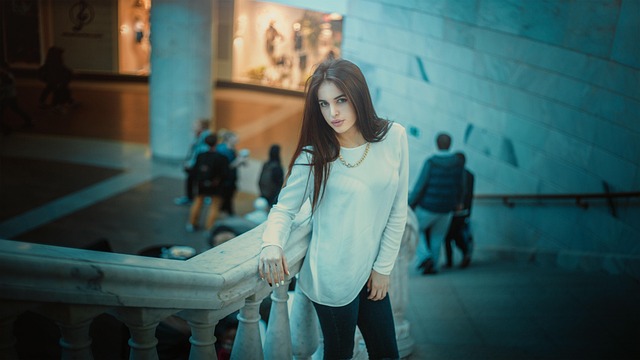
Another dominant aesthetic is ‘Poet-Core’ and ‘Literary Chic.’ This direction leans into romance and storytelling through clothing, incorporating billowy sleeves, soft collar detail, structured waistcoats, and draped necklines. These items pair best with structured tailoring to keep the look grounded rather than theatrical.
How are sustainable and smart fabrics defining 2026 trends?
Textile technology is driving the most significant shifts in contemporary garment construction. Sustainable production has moved from a niche market segment into a core expectation. Material innovators are focusing on bio-engineered textiles, smart functional weaves, and closed-loop manufacturing processes.
Bio-engineered leather alternatives made from mycelium and plant proteins now match traditional leather in durability, texture, and patina development, but require significantly fewer resources to produce. Alongside lab-grown leathers, self-cleaning fabrics treated with eco-safe hydrophobic finishes reduce the need for constant laundry cycles, prolonging textile lifespans. Smart textiles capable of responding to body temperature changes are also entering casual collections, providing active comfort throughout varying climates.
Industry data highlights this transition. A report by the Textile Exchange in early 2026 showed that demand for sustainable materials in fashion grew by approximately 25% year-over-year. Also, the commitment to circularity, championed by initiatives like the Ellen MacArthur Foundation’s Make Fashion Circular program, is altering how brands design for recyclability from the initial pattern stage.
What key structural shapes and power silhouettes are dominant?
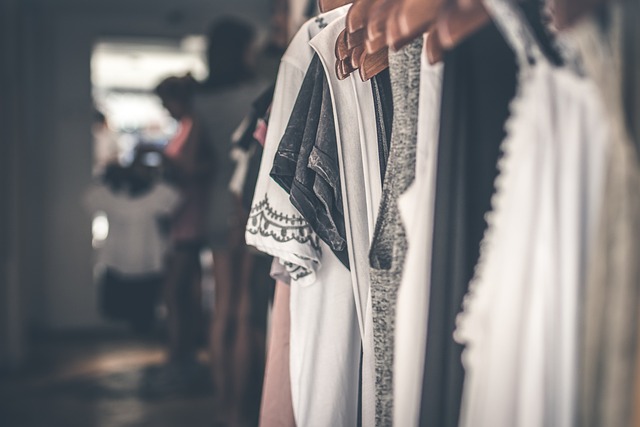
Proportion and contrast drive current silhouette choices. Rather than choosing strictly skin-tight or completely oversized garments, modern styling focuses on balanced architectural form. The classic power silhouette has evolved into a balance of rigid structure and flowing drape.
The structured blazer with exaggerated shoulders remains a key staple. To balance the pronounced shoulders, tailors are pairing these jackets with high-waisted, wide-leg trousers or ankle-length skirts with cinched waistbands. This structure creates a strong visual line without feeling stiff.
Contrasting textures and functions is another key styling technique. Delicate, flowing chiffon or silk dresses are frequently paired with heavy, utilitarian boots or thick-soled lug footwear. This juxtaposition adds visual weight to lighter fabrics and makes formal dresses more adaptable for daily wear.
Which colors and patterns are defining 2026 style?
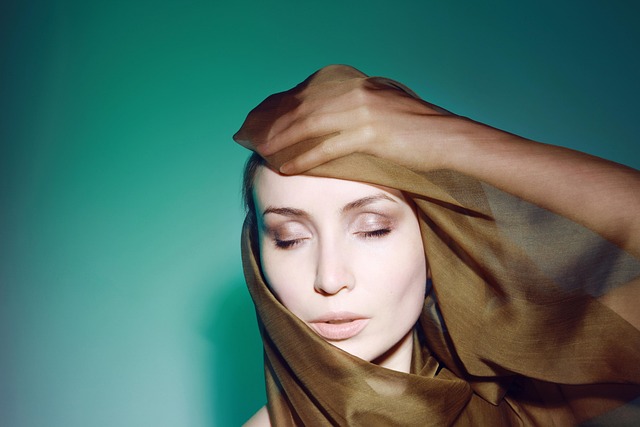
Color choices balance expressive tones with grounded neutrals, encouraging deliberate color combinations rather than monochrome uniformity.
Core color palettes
Trending palettes pair unexpected undertones together:
- Creamy Yellow and Ochrea: Soft, warm yellow shades serve as modern neutrals, pairing naturally with earthy ochres and deep rust tones.
- Electric Blue and Deep Charcoal: High-energy blue acts as an accent against muted slate gray and charcoal tailoring.
- Soft Pastels with Earthy Tones: Muted mint, dusty lavender, and soft rose are grounded when combined with deep moss greens or warm brown outer layers.
Emerging print trends
Mass-produced micro-floral prints have yielded to larger, artistic patterns:
- Abstract Brushstroke Motifs: Painterly patterns that look painted directly onto fabric canvas.
- Digital Glitch Patterns: Geometric and distorted line prints that create subtle visual texture.
- Tone-on-Tone Jacquards: Woven textures that catch light naturally without relying on contrasting dyes.
- Art-Deco Lines: Clean geometric repeats inspired by early 20th-century design.
What accessory trends are making the biggest statement?
Accessories are designed as central focal points rather than secondary accents. Large, sculptural jewelry made from recycled brass, sterling silver, and post-consumer metals leads current accessory design. Chunky collar necklaces and heavy geometric earrings offer architectural contrast to simple clothing cuts.
Handbags are departing from traditional rectangular totes in favor of geometric, sculptural forms. Structured rigid shapes, oval top-handle bags, and soft asymmetric pouches serve as wearable functional art. In footwear, modified platform boots, architectural flared heels, and embellished leather loafers provide comfort alongside dramatic height.
Integrated wearable technology is also advancing within accessories. Smart jewelry tracking key health and wellness metrics features polished gemstone finishes, while leather handbags integrate low-profile inductive charging panels to power mobile devices on the go.
How to style 2026 trends for your body type and lifestyle
Adapting runway movements to daily life requires evaluating how individual cuts interact with your daily routine and body shape. For detailed styling adjustments, check Men’s Skincare Routine: Simple Steps for Healthier Skin for step-by-step sizing guidance.
| Trend Category | Key Featured Piece | Best Suited For | Styling Trade-Off |
|---|---|---|---|
| Architectural Power | Exaggerated-Shoulder Blazer | Broadening narrow shoulders, creating cinched waist definition | Requires tailored fitting to avoid overwhelming smaller frames |
| Reimagined Retro | 1930s Art-Deco Maxi Dress | Elongating tall or slender frames, fluid movement | Requires smooth footwear to prevent delicate hem dragging |
| Literary Chic | Billowy Poet Blouse & Vest | Adding top-half volume, expressive casual styling | Can look overly costumed if not paired with structured denim or trousers |
| Utility Contrast | Chunky Lug-Sole Boots | Daily walking comfort, anchoring floaty dresses | Adds noticeable footwear weight compared to traditional flats |
Steps to update your closet efficiently
- Audit your existing garments: Sort your wardrobe to locate classic items—such as crisp button-down shirts, straight-leg denim, or tailored coats—that can be updated with bold accessories.
- Incorporate one statement silhouette: Add an oversized blazer or wide-leg fluid trouser to test modern proportional balancing before buying entire sets.
- Mix delicate and structured fabrics: Pair soft silk skirts with heavy knit sweaters or structured jackets to master current texture layering.
- Integrate modern color accents: Use scarves, handbags, or footwear in Creamy Yellow or Ochrea to refresh dark baseline outfits without replacing staple coats.
- Focus on fit and material care: Ensure high-waisted pleats and wide legs break cleanly over your shoes, maintaining clean drape lines.
According to Vogue’s trend reports from Spring 2026 runways, the shift toward ‘Recreation Dressing’ emphasizes refined pieces that accommodate physical movement and daily utility without sacrificing sharp aesthetic lines.
What common styling mistakes should you avoid?
When incorporating current trends, several common mistakes can compromise your personal aesthetic or garment longevity:
- Adopting trends that clash with your daily routine: Buying dramatic sweeping coats or high-maintenance dry-clean-only fabrics when your lifestyle demands durable, machine-washable garments results in unworn clothing.
- Over-accessorizing bold outfits: Combining sculptural earrings, heavy collar necklaces, and asymmetric statement bags simultaneously creates visual chaos. Choose one primary focal point per outfit.
- Chasing short-lived micro-trends: Purchasing cheap fast-fashion iterations of complex runway cuts leads to poorly fitted garments that degrade quickly in the wash.
- Ignoring fabric care instructions: Bio-engineered textiles and smart performance weaves require specific wash temperatures and mild detergents to maintain their technical properties.
Frequently asked questions
What is the main focus of 2026 fashion trends?
The primary focus of 2026 fashion centers on architectural silhouettes, personal expression, and sustainable fabric innovations like bio-engineered leather and recycled woven textiles.
Are retro styles still in for 2026?
Yes, retro styles are prominent in 2026, specifically 1930s fluid maxi cuts and 1970s wide-leg tailoring updated with modern, eco-friendly materials.
What color palettes are trending in 2026?
Key palettes combine Creamy Yellow, earthy Ochrea, electric blues, soft pastels, and deep charcoal in unexpected, contrasting pairings.
How can I make my wardrobe more sustainable?
Focus on purchasing durable, high-quality staples, supporting brands using circular design practices, incorporating vintage pieces, and choosing low-impact bio-engineered textiles.
What role do accessories play in 2026 fashion?
Accessories serve as main visual focal points, featuring sculptural recycled metal jewelry, asymmetric art-object handbags, platform footwear, and smart wellness-tracking tech accessories.