



The best basketball shorts feature lightweight, moisture-wicking synthetic fabrics like polyester mesh or double-knit jersey. They also include a secure elastic waistband and an internal drawstring. Choose a 5-inch or 7-inch inseam for maximum speed and leg mobility. Alternatively, pick a 9-inch to 11-inch inseam for traditional knee coverage and casual streetwear wear.
While athletic shoes get most attention, basketball shorts dictate how comfortably you move on the court. The right pair regulates body temperature and prevents painful chafing during quick direction changes. It also stays firmly anchored to your waist without constant adjustment. Selecting the ideal pair requires balancing fabric engineering, cut length, and your specific playing style or casual wardrobe needs.
How to pick the right inseam length for your playstyle
Inseam length determines both your mobility on the court and the overall silhouette of your outfit. Inseams for basketball shorts typically range from 5 inches up to 11 inches, measured from the crotch seam to the bottom hem of the leg opening. Picking the right length depends heavily on whether you prioritize unrestricted leg speed or classic coverage.
A 5-inch inseam sits high on the mid-thigh. This modern cut maximizes hip and leg mobility. It eliminates all fabric resistance around the knees when sprinting, jumping, or executing fast crossover dribbles. The length is preferred by quick guards, fast-break players, and runners who want zero extra material weighing them down.
A 7-inch inseam hits at the mid-to-lower thigh and serves as the most versatile option. It provides a balanced aesthetic that keeps the fabric well above the kneecap while delivering full upper-thigh coverage. This cut suits almost every position on the court and transitions smoothly into everyday casual wear.
A 9-inch inseam rests just above the top of the kneecap. It offers a traditional athletic look. Post players and forwards often prefer it for protection against court friction when battling for rebounds in the paint.
An 11-inch inseam drops down over the knee, mirroring the oversized style popular in 1990s and early 2000s basketball culture. While comfortable for tall players or relaxed lifestyle wear, the extra material below the knee can sometimes catch on your legs during rapid lateral defensive shifts.
Comparing basketball short inseam lengths and fits
| Inseam Length | Resting Position | Best Suitability | Primary Trade-Off |
|---|---|---|---|
| 5-inch | Mid-thigh | Guards, sprinters, agility-focused players | Less thigh coverage against court friction |
| 7-inch | Lower thigh | All-around play, gym workouts, casual wear | Moderate coverage without complete knee protection |
| 9-inch | Just above kneecap | Forwards, centers, classic athletic style | Slightly more weight and fabric than shorter cuts |
| 11-inch | Below the kneecap | Tall players, retro style, relaxed loungewear | Can pull on knees during sharp lateral cuts |
Which fabric technology works best on the court?
Performance basketball shorts rely almost exclusively on engineered synthetic fibers designed to manage sweat and body heat. Understanding how different materials behave helps you select shorts that match your gym environment and perspiration levels.
Polyester mesh and double-knit jersey
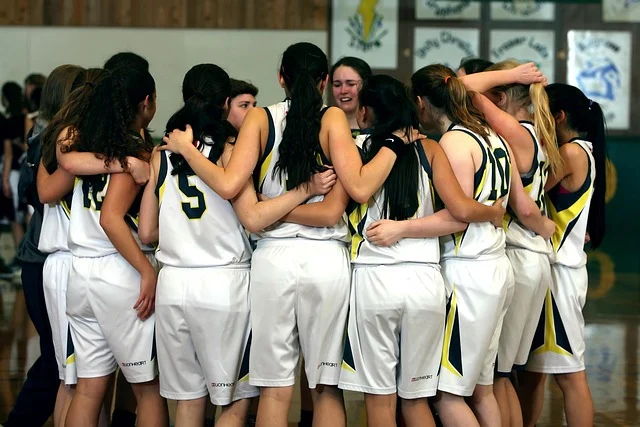
Polyester is the primary fabric used in high-performance shorts. This material provides high tensile strength, resistance to shrinking, and inherent hydrophobic properties. Open-hole polyester mesh provides maximum airflow, allowing body heat to vent rapidly through thousands of micro-perforations. Double-knit polyester jersey features a dual-layer structure. It offers a smoother texture against the skin while remaining opaque and durable during intense contact.
Spandex and elastane stretch blends
This flexibility allows the shorts to expand across the hips and thighs. It helps when sinking deep into a defensive stance or stretching out for a layup. Woven performance blends featuring spandex maintain a tailored fit without restricting your full range of motion.
Why you should avoid cotton for competitive play
While 100% cotton is comfortable for loungewear, it acts like a sponge during athletic activity. Cotton absorbs up to 27 times its weight in water, holding sweat directly against your skin. As cotton shorts absorb moisture, they become heavy, lose their structure, and cause severe skin chafing around the inner thighs. Leading brands such as Nike and Adidas construct their game-day lines using specialized synthetic weaves specifically to prevent sweat buildup.
Pockets vs. pocketless: which should you choose?
Choosing between shorts with or without pockets comes down to where you plan to wear them most often. While pockets add everyday utility, they introduce clear functional trade-offs during competitive games.
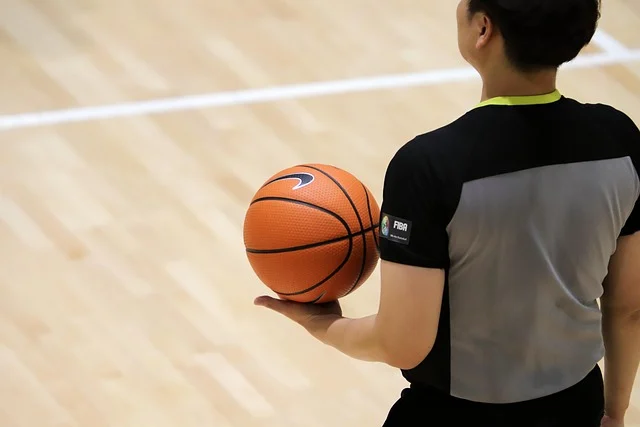
For organized league play or pick-up games, pocketless shorts are the preferred choice. Open side pockets can create dangerous snag hazards where opposing players’ fingers or wrists get caught during close-quarters defense. Additionally, loose pockets bounce around when empty and add unnecessary fabric bulk at the hips.
For practice drills, outdoor shooting, or everyday athleisure wear, pockets add essential convenience for holding your phone, keys, and wallet. Look for deep side pockets lined with lightweight mesh. You can also pick designs featuring flat, zippered side pockets that keep items stationary against your hip when moving.
How to check construction quality and durability before buying
Basketball involves constant directional shifts, deep squatting, and physical contact, placing high stress on every seam. Inspecting key construction details ensures your shorts hold up over repeated wash cycles and rigorous training sessions.
- Reinforced crotch gusset: High-quality shorts include an added diamond or rectangular fabric panel in the crotch seam. This gusset distributes pull force evenly across the fabric, preventing seam tears during wide strides and jumps.
- Flatlock stitching: Look for flatlock or coverstitch construction along internal seams. Flatlock seams lie completely flat against the fabric, eliminating raised edges that rub and irritate skin.
- Multi-channel elastic waistband: A wide waistband with three or four parallel rows of stitching keeps the internal elastic flat and prevents it from twisting inside the fabric casing.
- Braided internal drawstring: Ensure the elastic waistband includes a durable continuous drawstring. Internal drawstrings keep the front profile clean, while heavy-duty woven cords allow you to lock the waist fit tightly.
How to style basketball shorts for streetwear and athleisure
Basketball shorts are a core component of relaxed streetwear and casual fashion. Transitioning your shorts from the gym to the street is all about balancing fabric weights, colors, and top silhouettes.
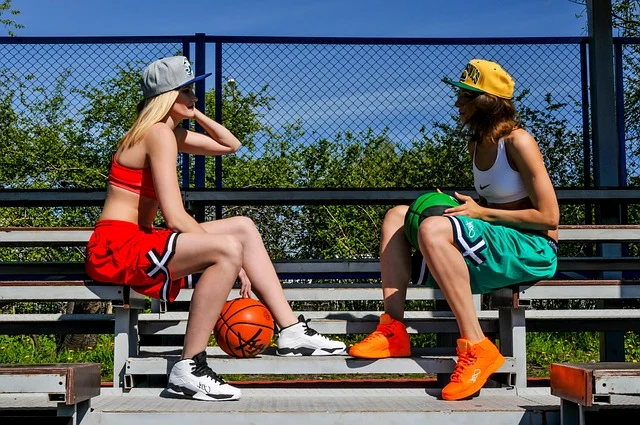
When pairing basketball shorts with casual tops, pay attention to proportions. If you choose roomier, mesh 9-inch shorts, balance the silhouette with a boxy, heavyweight cotton T-shirt or an oversized hoodie. Shorter 5-inch or 7-inch shorts look best when paired with clean, modern-fit tops and mid-calf athletic socks.
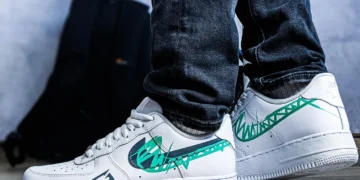
Footwear plays a crucial role in framing your look. Retro high-top sneakers naturally anchor longer, vintage-inspired shorts, while low-profile classic trainers elevate lighter 7-inch performance shorts. Choose solid neutral colors like black, navy, or heather grey for maximum outfit versatility. Alternatively, use classic color-blocked mesh shorts as the focal piece of a bold outfit.
Step-by-step guide to finding your ideal pair
- Define your primary environment: Decide whether the shorts will be used mainly for indoor competitive play, outdoor courts, gym training, or daily street styling.
- Select your target inseam: Choose a 5-inch inseam for agility. Select a 7-inch for balanced performance or 9-to-11-inch for traditional knee-length coverage.
- Verify fabric composition: Check the material tag for 100% polyester mesh or polyester-spandex blends for games. Save pure cotton pairs strictly for lifestyle lounging.
- Inspect the waistband fit: Pull the waistband outward to test elastic recovery. Ensure it snaps back firmly and includes a strong internal drawstring.
- Confirm pocket functionality: Choose pocketless styles for organized games, flat zippered pockets for outdoor workout runs, or deep mesh slide pockets for daily casual use.
- Check seam finishing: Turn the shorts inside out to verify flatlock stitching across high-stress zones like side seams and the crotch gusset.
Common buying mistakes to avoid
Avoiding a few common purchasing mistakes will save you money and keep you comfortable on the court:

- Buying for elastic waist stretch alone: Relying solely on waist stretch without checking drawstring quality results in shorts that pull down under the weight of sweat or small items in your pockets.
- Ignoring inner leg chafing factors: Choosing thick, unlined single-knit mesh can cause inner thigh irritation. Look for smooth double-knit lining or wear dedicated compression shorts underneath.
- Washing synthetic shorts with fabric softener: Fabric softeners coat synthetic performance fibers with a waxy layer that blocks mesh pores and destroys the fabric’s ability to wick moisture. Always follow the care instructions on the label, washing cold and air-drying when possible.
- Choosing heavy fabric for hot environments: Wearing heavyweight knitted shorts on outdoor summer courts traps heat. Reserve heavy double-mesh for indoor climate-controlled gyms or cooler outdoor seasons.
Frequently asked questions
Are basketball shorts suitable for running?
Yes, lightweight performance basketball shorts made from moisture-wicking synthetic fabrics work well for running. Choosing a 5-inch or 7-inch inseam ensures your legs move freely without excess fabric weight dragging against your knees.
How long should basketball shorts be?
Modern basketball shorts generally fall between mid-thigh and the top of the knee, corresponding to a 7-inch or 9-inch inseam. Choose shorter 5-inch cuts if you prefer maximum speed and leg mobility, or 11-inch cuts for a classic retro appearance.
What is the best material for basketball shorts?
Polyester mesh and performance polyester-spandex blends offer the best combination of breathability, durability, and moisture management. Avoid 100% cotton shorts for competitive games because cotton retains sweat and becomes heavy.
Do basketball shorts need to have pockets?
For competitive league play, pocketless shorts are recommended to prevent finger-snag injuries and cut down on weight. For casual wear, training workouts, or running errands, shorts with flat or zippered pockets add practical storage for your phone and keys.
How do I keep basketball shorts from slipping during play?
Ensure you buy shorts with a wide, multi-stitch elastic waistband paired with an internal woven drawstring. Tying the drawstring securely before playing prevents the waistband from sliding down when running or jumping.