









Choosing Gems That Last: The Ultimate Guide to Gemstone Durability for Everyday Wear in 2026
When you pick out a piece of jewelry, you want it to be more than just beautiful; you want it to last. But not all gemstones are created equal when it comes to standing up to the daily grind. From accidental bumps to constant contact, everyday wear can take a toll. This guide is your essential roadmap to understanding gemstone durability, so you can make informed choices that keep your favorite pieces looking spectacular for years to come.
Last updated: May 6, 2026
i>
- Understanding a gemstone’s properties is crucial for selecting jewelry that aligns with your lifestyle and lasts.
What Does Gemstone Durability Actually Mean?
When we talk about gemstone durability, we’re really looking at two main factors: hardness and toughness. Hardness refers to a stone’s resistance to scratching or abrasion. Think of it like trying to scuff a surface. Toughness, on the other hand, is about how well a stone can withstand sudden shocks or impacts, like being dropped or hit.
Most people associate durability solely with hardness, but toughness is equally important. A stone can be incredibly hard, like diamond, but if it has certain cleavage planes (natural weak spots), it could still be susceptible to breaking under impact. It’s this combination that truly determines a gem’s resilience for everyday wear.
The All-Important Mohs Hardness Scale Explained
The most common way to gauge a gemstone’s scratch resistance is the Mohs scale of mineral hardness. Developed by Friedrich Mohs in the 19th century, it ranks minerals based on their relative ability to scratch one another. A higher number means a harder stone, less prone to everyday scratches.
For instance, talc is a 1 (very soft), while diamond is a 10 (extremely hard). For jewelry intended for daily wear, you generally want stones scoring 7 or higher on the Mohs scale. Below this, you start entering territory where common materials like dust or even other jewelry might cause visible wear over time.
The Rock Stars of Durability: Gemstones for Constant Companions
If you’re looking for gemstones that can truly handle the hustle and bustle of daily life, some stand out. These are the usual suspects you’ll find in engagement rings and frequently worn pieces, thanks to their impressive hardness and toughness.
Diamond: The Undisputed Champion
With a Mohs hardness of 10, diamond is the hardest natural substance on Earth. This makes it exceptionally resistant to scratching. While it can be chipped or fractured if hit hard at the right angle (due to its octahedral cleavage), for everyday abrasion, it’s virtually unbeatable. Many jewelers, as of May 2026, still cite diamond as the go-to for maximum daily wear durability.
Sapphire and Ruby: The Corundum Crew
These vibrant gems are both varieties of the mineral corundum, ranking a solid 9 on the Mohs scale. They are incredibly hard and tough, making them excellent choices for rings, bracelets, and earrings that see constant action. Their durability means they can often be cleaned with simple soap and water without worry, according to expert gemological resources.
The only natural material harder than sapphire and ruby is diamond. This means they will resist scratching from almost any other gemstone or common household material. For a colorful yet incredibly durable option, these are hard to beat.
Gemstones That Require a Little More TLC
While beautiful, some gemstones are simply not built for the rigors of everyday wear. They might be beautiful, but they’re more delicate and prone to damage from impacts, abrasion, or even certain chemicals. For these, think of them as special occasion gems.
Emerald: The Delicate Green Beauty
Emeralds, prized for their stunning green hue, typically rate between 7.5 and 8 on the Mohs scale. However, they often contain natural inclusions and fissures, which makes them more susceptible to chipping and cracking than sapphires or diamonds. As noted by the Gemological Institute of America (GIA) (2025), emeralds are often treated to fill these fissures, enhancing their appearance but also highlighting their inherent fragility.
If you love emeralds, consider them for earrings or pendants, or for rings set in a very protective bezel setting. Avoid wearing them during activities where they might get knocked, like sports or heavy chores.
Opal: A Shimmering Spectacle
Opals are gorgeous with their play-of-color, but they are relatively soft (5.5-6.5 Mohs) and porous. They can easily scratch and are also sensitive to changes in temperature and moisture, which can cause them to crack or craze. A common mistake people make is exposing opals to harsh cleaning chemicals or prolonged submersion in water.
For everyday wear, solid opals are better than doublets or triplets (which are layered stones with less durability). Even then, treat them gently. They are best suited for pendants or stud earrings.
Pearl: The Classic, Yet Fragile, Gem
Pearls, being organic gems, are quite soft, typically scoring 2.5-3 on the Mohs scale. Almost anything harder easily scratchs they. Their nacreous surface can also be damaged by acids, including sweat and perfumes. According to the World Jewelry Confederation (CI BJO) (2024), pearls require specific gentle cleaning methods.
To keep pearls looking their best, put them on after you’ve applied makeup and perfume, and take them off before washing your hands or engaging in strenuous activity. They are ideal for pearl necklaces and stud earrings worn occasionally.
Beyond Mohs: Understanding Toughness and Cleavage
Hardness isn’t the whole story. Toughness is about a gem’s resistance to breaking and chipping. Some gems are hard but brittle, meaning they can shatter. This is related to their internal structure and how they break, known as cleavage and fracture.
Cleavage: The Natural Weakness
Cleavage refers to the tendency of a mineral to break along flat planes. For example, diamond has perfect octahedral cleavage. If a diamond is struck precisely along one of these planes, it can split. While this doesn’t happen from everyday wear usually, it’s a factor in a gem’s overall resilience.
Topaz and feldspar (which includes moonstone and labradorite) also have distinct cleavage planes that make them more prone to chipping than gems without such weaknesses.
Fracture: The Irregular Break
Fracture describes how a mineral breaks when it doesn’t split along a cleavage plane. This can be conchoidal (curved, like breaking glass), uneven, or splintery. Opals, for instance, have a conchoidal fracture, and their relatively low hardness combined with this makes them susceptible to chipping.
Understanding these internal characteristics helps explain why a stone might be surprisingly delicate despite its Mohs rating. It’s why someone might chip an amethyst (7-7.5 Mohs) while a tougher sapphire (9 Mohs) remains unscathed.
How the Setting Impacts Gemstone Durability
The way a gemstone is set in its jewelry plays a massive role in its protection. A well-chosen setting can shield a more delicate stone, making it more viable for everyday wear.
Bezel Settings: The Ultimate Shield
A bezel setting, where a thin metal rim completely surrounds the gemstone, offers excellent protection. It covers the stone’s girdle and crown, significantly reducing the risk of chipping or abrasion. This is a fantastic option for softer stones like emeralds or opals if you intend to wear the piece frequently.
Prong Settings: Style with Risk
Prong settings, while beautiful and allowing maximum light to enter the stone, leave the gemstone more exposed. This is ideal for hard, tough stones like diamonds or sapphires. For softer stones, a prong setting increases the risk of damage during daily activities. A 4-prong setting is generally safer than a 2-prong, and a basket-style prong setting offers more under-gallery protection.
Recessed and Flush Settings: Practicality First
Flush settings, where the gem is set directly into the metal with no metal prongs protruding, and recessed settings offer good protection for certain types of jewelry, like men’s rings or certain pendant styles. These settings minimize snagging and impact on the stone itself.
Gemstone Durability Chart for Everyday Wear (2026 Update)
To help you make the best choice, here’s a quick look at some popular gemstones and their durability profiles for everyday wear. Remember, toughness and the presence of inclusions can also play a role.
| Gemstone | Mohs Hardness | Toughness/Notes | Best For Everyday Wear? |
|---|---|---|---|
| Diamond | 10 | Excellent, but can chip with hard impact along cleavage planes | Yes, the highest recommendation |
| Sapphire (Blue, Pink, Yellow, etc.) | 9 | Excellent, very tough | Yes, highly recommended |
| Ruby | 9 | Excellent, very tough | Yes, highly recommended |
| Spinel | 8 | Good, but can have cleavage | Generally yes, with mindful wear |
| Topaz | 8 | Good hardness, but has cleavage, making it prone to chipping | No, requires very careful wear; better for special occasions |
| Emerald | 7.5-8 | Fair; often included, brittle, sensitive to impact | No, requires protective setting and very careful wear |
| Aquamarine | 7.5-8 | Good, but can chip | Generally yes, with mindful wear |
| Garnet | 6.5-7.5 | Variable; some types tougher than others | Variable; Almandine/Pyrope are better than others; requires mindful wear |
| Amethyst/Quartz | 7 | Good, but can chip | Generally yes, with mindful wear |
| Peridot | 6.5-7 | Fair; brittle, sensitive to impact | No, requires very careful wear; better for special occasions |
| Opal | 5.5-6.5 | Poor; porous, sensitive to heat/chemicals, cracks easily | No, best for pendants/earrings with protective settings |
| Pearl | 2.5-3 | Organic; very soft, scratches easily, sensitive to acids/sweat | No, best for occasional wear; necklaces/earrings |
Common Mistakes to Avoid with Gemstone Jewelry
Many people unknowingly shorten the lifespan of their beautiful gemstone pieces. Being aware of common pitfalls can save your jewelry from premature wear and tear.
Mistake 1: Thinking All ‘Hard’ Gems Are Equal
As we’ve seen, hardness (scratch resistance) is only part of the equation. A stone like topaz is hard but brittle, meaning it can chip more easily than a slightly softer but tougher gem like some garnets. Don’t rely solely on the Mohs number; consider toughness and cleavage too.
Mistake 2: Forgetting About the Setting
A beautiful gemstone in a high-setting prong mount is vulnerable. If you live an active lifestyle or work with your hands, that exposed gem is a prime target for knocks and bumps. For everyday wear, opt for lower-profile, protective settings like bezels or channel settings, especially for stones with lower toughness.
Mistake 3: Exposure to Chemicals and Extreme Conditions
Many gemstones, especially organic ones like pearls and opals, can be damaged by household cleaners, perfumes, hairspray, and even prolonged exposure to sunlight or extreme heat. Always apply lotions and sprays before putting on your jewelry, and remove it before cleaning or swimming.
Expert Tips for Maximizing Gemstone Lifespan
To ensure your gemstone jewelry stays stunning, a little proactive care goes a long way. Here are some tips that even seasoned jewelers recommend.
Know Your Lifestyle, Know Your Gem
Be honest about your daily activities. If you’re constantly active, working with tools, or playing sports, stick to the hardest, toughest gems like diamonds, sapphires, and rubies. For more sedentary roles, you might have more flexibility with stones like amethyst or garnet.
Embrace Protective Settings
When choosing jewelry for everyday wear, prioritize settings that guard your gems. Bezel settings, halo settings (where a center stone is surrounded by smaller, harder stones like diamonds), and channel settings offer superior protection compared to open prong settings.
Regular Gentle Cleaning
Clean your jewelry regularly with a soft brush, warm water, and mild, non-detergent soap. For most durable gemstones, this is sufficient. However, avoid ultrasonic cleaners or harsh chemicals for softer or treated stones like emeralds, opals, and pearls. A quick rinse and gentle pat dry is often best.
For specific advice on cleaning delicate stones like pearls or opals, always consult a professional jeweler. According to the National Association of Jewelry Appraisers (NAJA) (2023), improper cleaning is a common cause of damage.
Store Them Separately
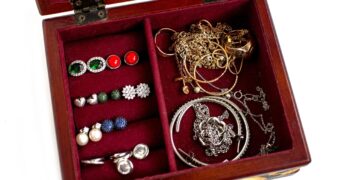
To prevent scratching, store your gemstone jewelry in individual pouches or compartments within a jewelry box. This stops harder stones from abrading softer ones, and prevents delicate pieces from getting tangled and potentially damaged.
Frequently Asked Questions
What is the most durable gemstone for everyday wear?
Diamond is the most durable gemstone for everyday wear due to its unmatched Mohs hardness of 10, making it highly resistant to scratching. High-quality sapphires and rubies, with a Mohs hardness of 9, are also excellent, extremely durable choices for daily jewelry.
Are emeralds durable enough for daily wear?
Generally, no. Emeralds rate 7.5-8 on the Mohs scale but are often brittle and prone to chipping due to natural inclusions. They require careful handling, protective settings, and are best suited for occasional wear rather than constant daily exposure.
Can I wear my opal ring every day?
It’s not recommended. Opals have a Mohs hardness of 5.5-6.5 and are porous and sensitive to impact, chemicals, and temperature changes. They scratch easily and can develop cracks. Opal jewelry is best reserved for special occasions or worn with extreme caution in a protective setting.
How does gemstone toughness differ from hardness?
Hardness measures resistance to scratching, while toughness measures resistance to breaking or chipping from impact. A gemstone can be very hard but still not tough if it has natural weak points (cleavage) that make it prone to fracture, like diamond’s susceptibility to chipping with a sharp blow.
Are treated gemstones less durable?
Treatments can sometimes enhance durability, but often they are used to improving appearance and don’t significantly alter the inherent hardness or toughness. For instance, filling emerald fissures can make them look better but doesn’t make them fundamentally tougher. Some treatments, like polymer impregnation in turquoise, can make the stone more stable but still require careful handling.
What is the best metal setting for durable gemstones?
For the hardest gemstones like diamonds and sapphires, metals like platinum or 14k/18k gold work well with prong or basket settings. For slightly less durable stones, a bezel setting made of gold or platinum offers the best protection by encasing the gemstone’s edges.
Last reviewed: May 2026. Information current as of publication; pricing and product details may change.
Source: Vogue
Editorial Note: This article was researched and written by the Anarchy Label editorial team. We fact-check our content and update it regularly. For questions or corrections, contact us. Knowing how to address The Ultimate Guide to Gemstone Durability for Everyday Wear early makes the rest of your plan easier to keep on track.