











The best treatment for cystic acne relies on prescription medications because over-the-counter products struggle to penetrate the deep skin layers where severe, inflamed lesions form. Professional dermatological interventions—such as oral antibiotics, hormonal therapies, isotretinoin, and potent prescription topicals—target deep inflammation, bacteria, and excess sebum to resolve root causes and prevent permanent scarring.
Complementing medical care with gentle cleansing, proper hydration, and daily sun protection helps support the skin barrier while reducing common treatment side effects like dryness and peeling. This guide details primary oral and topical prescription treatments, supportive skincare and lifestyle adjustments, in-office procedures for stubborn cases, and strategies for managing acne scars.

What is the best treatment for cystic acne?
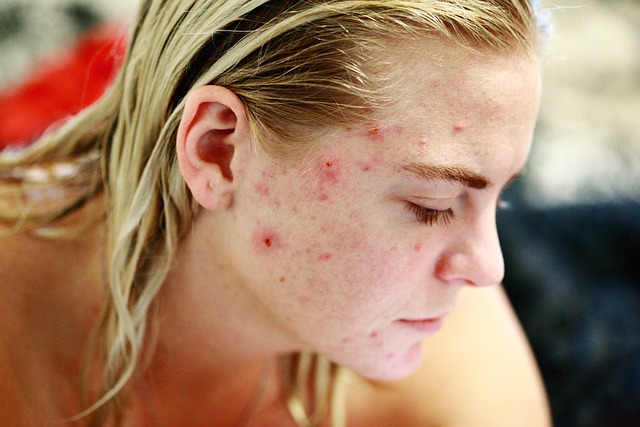
Cystic acne forms deep within the dermis when pores become blocked with dead skin cells, oil (sebum), and Cutibacterium acnes bacteria, leading to rupture of the follicle wall and intense localized inflammation. Because the infection and inflammation reside far beneath the skin surface, topical face washes or standard spot treatments rarely resolve true cysts on their own. Medical treatments target one or more underlying factors: excessive sebum production, hyperkeratinization (sticky skin cells clogging pores), bacterial growth, and tissue inflammation.
The primary medical protocols for cystic acne include:
- Oral Isotretinoin: A systemic vitamin A derivative that reduces sebaceous gland size, permanently lowers oil production, normalizes cellular shedding, and suppresses dermal inflammation. It remains the most effective systemic medical option for severe or scarring cystic acne.
- Hormonal Therapy: Medications like spironolactone (an androgen receptor blocker) or combined oral contraceptives lower circulating androgen levels. This prevents testosterone and dihydrotestosterone (DHT) from overstimulating oil glands.
- Oral Antibiotics: Tetracycline-class medications such as doxycycline, minocycline, and sarecycline decrease bacterial loads and provide systemic anti-inflammatory effects during active flare-ups. They are prescribed short-term to reduce the risk of bacterial resistance.
- Prescription Topicals: High-potency topical retinoids like tretinoin, adapalene 0.3%, or trifarotene, often paired with benzoyl peroxide or clindamycin, accelerate cell turnover and keep hair follicles clear.
The best treatment for severe acne
When cystic acne is widespread, painful, or causing progressive skin indentations, systemic therapy is required. Treating severe acne demands medical interventions that shut down active inflammation before collagen loss leads to permanent structural scarring.
Oral Isotretinoin Protocol
Isotretinoin is widely recognized as the definitive medical treatment for severe nodulocystic acne. A standard course lasts between 4 and 6 months, aiming for a cumulative dosage calculated by body weight. During treatment, oil production drops significantly, which deprives acne-causing bacteria of their main nutrient source and allows deep cysts to resolve.
Patients taking isotretinoin require regular monitoring by a healthcare provider, including liver function and lipid panel lab work, as well as strict adherence to safety programs due to birth defect risks. Common side effects include dry lips and cutaneous dryness, which are managed using ceramide-rich moisturizers, lip balms, and gentle non-foaming cleansers.
Intralesional Corticosteroid Injections
For isolated, large, severely inflamed individual cysts that cause severe pain or carry an immediate scar risk, dermatologists administer intralesional corticosteroid injections (dilute triamcinolone acetonide). Injected directly into the center of the nodule, the corticosteroid rapidly suppresses localized inflammation, flattening the lesion and relieving pain within 24 to 48 hours.
Related guides
Best treatment for cystic acne over the counter and at home
While over-the-counter (OTC) products cannot fully resolve deep dermal cysts on their own, strategic OTC ingredients support the skin barrier, prevent surface pore blockages, and reduce treatment-induced dryness.
Effective OTC Actives
- Adapalene 0.1% Gel: A topical retinoid available over the counter that regulates cellular turnover and helps prevent microcomedones from forming deep in the follicle.
- Benzoyl Peroxide Cleansers (2.5% to 5%): Helps eliminate surface C. acnes bacteria without inducing bacterial resistance. Formulations containing 2.5% to 5% offer comparable efficacy to 10% options with reduced skin irritation.
- Salicylic Acid (BHA 1%–2%): A lipid-soluble beta hydroxy acid that penetrates sebum-filled pores to clear follicular debris and calm surface redness.
At-Home Soothing Techniques
- Cold Therapy: Applying an ice cube wrapped in a clean cloth to an inflamed cyst for 5 to 10 minutes constricts local blood vessels, easing throbbing pain and swelling.
- Hydrocolloid Patches: Hydrocolloid patches absorb surface moisture and protect lesions from friction and touching. While they do not extract deep dermal fluids, they help keep hands off the skin.
- Barrier Repair: Incorporate non-comedogenic moisturizers containing ceramides, hyaluronic acid, and glycerin to protect the stratum corneum and maintain skin hydration during prescription therapy.
Practices to Avoid at Home
Never attempt to pop, squeeze, or prick a deep cystic acne lesion at home. Cysts do not have a direct surface opening; squeezing causes the inflamed internal follicle wall to rupture beneath the skin. This forces bacteria and debris deeper into the dermis, increasing tissue damage, healing time, and scar risk.
Location-specific guides: Chin, jawline, neck, face, and back
Cystic acne manifests differently depending on skin thickness, oil gland density, and underlying systemic triggers.
Best treatment for cystic acne on chin and jawline
Cysts concentrated along the lower face, chin, and jawline are often linked to hormonal fluctuations. Fluctuating androgen levels stimulate excess sebum production and make oil stickier. Targeted medical options for chin and jawline cystic acne include systemic anti-androgen medications like spironolactone or combination oral contraceptives, paired with nightly prescription topical retinoids.
Best treatment for cystic acne on neck
Neck skin is thinner and contains fewer sebaceous glands than facial skin, making it more prone to irritation from active ingredients. Applying short-contact therapy—such as leaving a topical retinoid or benzoyl peroxide wash on the skin for a few minutes before rinsing—helps minimize redness while treating deeper lesions.
Best treatment for cystic acne on face
Facial cystic acne across the cheeks and forehead responds best to a routine combining prescription retinoids with gentle, non-comedogenic hydration and daily SPF 30+ sun protection to avoid post-inflammatory dark spots.
Best treatment for cystic acne on back
Back and trunk skin is thicker with larger pore structures. For severe or extensive truncal cysts, systemic medications like oral antibiotics or oral isotretinoin are often required because topical creams can be difficult to apply evenly across large areas.
Best treatment for cystic acne reddit: Insights from user communities
Online skincare communities, such as those on Reddit, frequently share practical user experiences that complement medical care. Key strategies commonly discussed include:
- Double Cleansing: Using a gentle oil-based or micellar cleanser followed by a hydrating water-based cleanser removes stubborn, water-resistant sunscreen without stripping the skin’s natural moisture barrier.
- Avoiding Exfoliant Overlap: Combining strong chemical exfoliants (such as glycolic acid, salicylic acid, and benzoyl peroxide) alongside prescription retinoids often triggers contact dermatitis and worsens flare-ups. Committing to a simplified active regimen yields better tolerance.
- Managing the Purging Phase: When starting topical retinoids or adapalene, skin may experience temporary increased breakouts (purging) during the first 2 to 6 weeks as deep microcomedones come to the surface. Continuing consistent application through this period is standard practice under clinical guidance.
What is the best treatment for cystic acne scars?
Because cystic acne forms deep within the skin layers, it can damage surrounding structural tissue, leaving flat discolored marks or indented physical scars once the inflammation resolves.
Distinguishing Discoloration from Structural Scars
- Post-Inflammatory Erythema (PIE): Flat pink, red, or purple marks caused by dilated capillaries following skin inflammation.
- Post-Inflammatory Hyperpigmentation (PIH): Flat brown or dark spots caused by overproduction of melanin in response to skin injury.
- Atrophic Scars: Depressed, structural indentations caused by permanent loss of collagen. These include narrow icepick scars, wide boxcar scars, and wave-like rolling scars.
Topicals for Discolored Marks (PIE & PIH)
Flat discoloration generally improves over time and can be managed with targeted topical ingredients:
- Azelaic Acid (15%–20%): Reduces excess melanin synthesis to fade PIH and calms surface redness associated with PIE.
- Niacinamide (3%–5%): Helps decrease melanosome transfer to skin cells while supporting moisture retention.
- Daily Sunscreen (SPF 30+): Protects recovering skin from UV radiation, which darkens hyperpigmentation and slows healing.
In-Office Procedures for Structural Atrophic Scars
Indented scars require clinical dermatological procedures to stimulate new collagen growth and elevate depressed tissue:
- Microneedling and RF Microneedling: Creates controlled micro-injuries in the dermis to trigger collagen remodeling and smooth scar texture.
- Subcision: A specialized needle releases fibrous tissue bands holding rolling scars down, allowing the skin surface to smooth out.
- TCA Cross: High-concentration trichloroacetic acid is precisely applied into deep icepick scars to stimulate localized tissue regeneration.
- Fractional Laser Resurfacing: Microscopic laser beams target deeper skin layers to accelerate collagen synthesis and improve overall texture.
- Dermal Fillers: Temporary hyaluronic acid injections can instantly lift soft, depressed rolling scars.
Comparison of cystic acne treatments
The table below summarizes primary medical treatments, how they are administered, their mechanisms, and expected timelines:
| Treatment | Administration | Primary Mechanism | Time to Initial Results | Best Suited For |
|---|---|---|---|---|
| Isotretinoin | Oral daily medication | Shrinks oil glands; drastically reduces sebum and follicular clogging | 6 – 12 weeks | Severe, widespread, or scarring cystic acne |
| Spironolactone | Oral daily medication | Blocks androgen receptors to curb hormone-driven oil production | 8 – 12 weeks | Adult females with hormonal chin and jawline cysts |
| Oral Antibiotics | Oral daily medication | Reduces bacterial count and suppresses systemic inflammation | 2 – 4 weeks | Short-term management of acute inflammatory breakouts |
| Topical Retinoids | Topical nightly application | Accelerates cell turnover and unclogs pores | 4 – 8 weeks | Mild-to-moderate cystic acne and long-term maintenance |
| Intralesional Steroid Injections | In-office procedure | Rapidly lowers acute localized swelling and pain | 24 – 48 hours | Large, painful, individual emergency cysts |
Who these treatments do not suit
Certain cystic acne treatments carry specific contraindications and safety considerations:
- Pregnant or Nursing Individuals: Oral isotretinoin, topical retinoids (tretinoin, tazarotene, adapalene), spironolactone, and tetracycline antibiotics must be avoided during pregnancy due to risks of birth defects or side effects. Safe options during pregnancy, such as prescription azelaic acid or topical erythromycin, should be discussed with a doctor.
- Patients with Renal Disease: Spironolactone acts as a potassium-sparing diuretic and requires cautious monitoring in individuals with kidney impaired function or high baseline blood potassium levels.
- Individuals with Severely Compromised Skin Barriers: Potent topical retinoids and high-strength benzoyl peroxide can cause severe redness and peeling if applied to raw, inflamed skin. Rebuilding skin barrier hydration with ceramide moisturizers is recommended before starting active retinoid therapy.
Frequently asked questions
How long does it take for cystic acne treatments to work?
Most prescription medical treatments require 4 to 12 weeks to demonstrate noticeable reduction in cystic breakouts. Oral antibiotics show initial anti-inflammatory effects within 2 to 4 weeks, whereas systemic hormonal treatments and topical retinoids generally require 8 to 12 weeks of consistent use for visible improvement.
Can you pop or drain a cystic acne lesion at home?
No. Attempting to squeeze or pop a deep cyst pushes inflammatory bacteria deeper into the dermal tissue rather than releasing it outward. This increases local skin damage, prolongs healing time, and significantly raises the likelihood of permanent pitted scarring.
Why do cystic acne breakouts keep recurring in the same spot?
Cysts frequently reappear in the exact same location because the underlying pore structure remains altered or damaged deep within the dermis. When hormones or stress stimulate oil production, sebum collects along that same weakened follicle channel, triggering repeated inflammation.
What is the fastest way to shrink a painful cystic pimple overnight?
Applying a cold compress or an ice pack wrapped in a clean cloth for 5 to 10 minutes helps reduce immediate swelling and throbbing pain overnight. For rapid resolution within 24 to 48 hours, an in-office steroid injection administered by a dermatologist provides the fastest relief.


