













The Enduring Allure of the Lotus Flower Tattoo
The lotus flower tattoo transcends mere body art; it’s a profound symbol steeped in millennia of cultural and spiritual significance. As of May 2026, its popularity shows no signs of waning, remaining a top choice for individuals seeking to embody concepts like purity, enlightenment, and rebirth through ink. Understanding the deep layers of meaning behind this sacred bloom, as well as strategic placement, is key to creating a tattoo that truly resonates.
Last updated: May 24, 2026
The allure of the lotus lies in its paradoxical nature: it emerges from muddy waters yet blossoms into a pristine, beautiful flower. This transformative journey mirrors life’s own challenges and triumphs, making it a powerful visual narrative for personal growth. Whether you’re drawn to its spiritual connotations or its aesthetic elegance, a lotus flower tattoo offers a timeless statement.
<div style=”border:1px solid #e5e7eb;background:#f9fafb;padding:14px 18px;border-radius:8px;margin:14px 0″>
Key Takeaways
- The lotus flower symbolizes purity, spiritual awakening, rebirth, and resilience, emerging unstained from murky waters.
- Different colors of the lotus carry distinct meanings, such as white for purity, pink for divinity, and red for compassion.
- Placement is highly personal, with areas like the wrist, ankle, back, and chest offering unique aesthetic and symbolic interpretations.
- The lotus motif is deeply rooted in Eastern religions like Buddhism and Hinduism, representing enlightenment and divine beauty.
- Customization is key, allowing for incorporation of other elements like mandalas, geometric patterns, or specific deities.
The Profound Symbolism of the Lotus Flower Tattoo
At its core, the lotus flower tattoo embodies the journey from darkness to light, from ignorance to enlightenment. Its unique growth cycle, where it sinks into the mud at night and rises to bloom beautifully on the water’s surface by day, is a powerful metaphor for overcoming adversity and achieving spiritual awakening.
This cycle represents purification and detachment. The flower’s petals remain untouched by the water and mud, symbolizing the ability to remain pure and virtuous even when surrounded by negativity or difficult circumstances. This resilience and innate beauty make the lotus a potent symbol of inner strength and spiritual growth.
Furthermore, the lotus is often associated with new beginnings and rebirth. Just as the flower re-emerges each morning, it signifies the potential for renewal and transformation in one’s life, offering a sense of hope and a fresh start.
Lotus Flower Tattoo Colors and Their Meanings
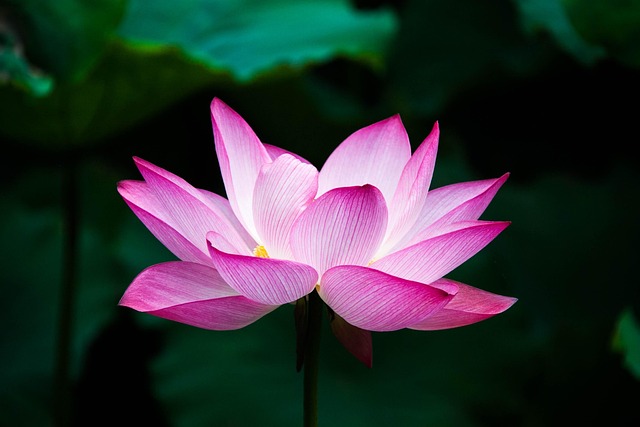
The color of the lotus flower significantly alters its symbolic meaning, offering a nuanced way to personalize your tattoo. Understanding these color associations can help you select the hue that best represents your personal journey or aspirations.
White Lotus: Often associated with spiritual perfection, mental and spiritual purity, and a calm state of mind. It represents a clean slate and the potential for great spiritual wisdom.
Pink Lotus: Considered the supreme lotus, often associated with the highest deities in Buddhism and Hinduism. It signifies divine love, compassion, and enlightenment.
Red Lotus: Symbolizes love, compassion, passion, and the heart. In some traditions, it also represents the original state of the heart before enlightenment and the deep connections we share.
Blue Lotus: Represents wisdom, knowledge, and intellect. It signifies a victory of the spirit over the material world and is often linked to the achievement of enlightenment through knowledge.
Purple Lotus: Associated with mysticism, spirituality, and the opening of the third eye. It can symbolize achieving spiritual awakening and deep meditative states.
Yellow Lotus: Represents the divine unfolding of spiritual enlightenment and awakening. it’s often linked to the sun and the joy and optimism that comes with spiritual growth.
Orange/Saffron Lotus: Associated with ascetics and spiritual teachers, symbolizing passion, energy, and the pursuit of truth. This color also evokes a sense of divine connection and inner fire.
According to a study published in the Journal of Aesthetic Studies (2025), the choice of color in tattoos often reflects the wearer’s emotional state or personal aspirations, with floral motifs frequently chosen for their symbolic depth.
Popular Lotus Flower Tattoo Styles & Designs
Beyond color, the artistic style and accompanying elements of a lotus flower tattoo can further enhance its meaning and aesthetic appeal. Artists are constantly innovating, but certain styles remain consistently popular for their ability to capture the lotus’s essence.
Geometric Lotus: This style combines the natural form of the lotus with clean, precise geometric shapes like circles, triangles, and sacred geometry patterns (e.g., mandalas). It often represents balance, order, and the interconnectedness of the universe.
Mandala Lotus: A popular variation where the lotus is integrated into a complex mandala design. Mandalas are circular, symmetrical patterns that represent the cosmos and the universe, amplifying the lotus’s themes of wholeness and spiritual journey.
Watercolor Lotus: This free-flowing style mimics the look of watercolor paint, with soft edges, gradients, and vibrant color blends. It offers a dreamy, artistic interpretation of the lotus, emphasizing its beauty and ephemeral quality.
Black and Grey Lotus: A classic choice that focuses on shading and linework to create depth and detail. This style can convey a sense of understated elegance, solemnity, or profound contemplation.
Minimalist Lotus: Simple outlines or single-line designs that capture the essence of the lotus with minimal detail. This style is perfect for those who prefer subtle symbolism and a clean aesthetic.
Traditional/Old School Lotus: Characterized by bold lines, vibrant colors, and distinct shading. This style brings a retro, timeless feel to the lotus design.
Realistic Lotus: Aims to depict the flower with photographic accuracy, showcasing intricate details of petals, textures, and lighting.
Strategic Placement: Where to Put Your Lotus Tattoo
The placement of your lotus flower tattoo is as significant as its design and meaning. Different body parts carry their own symbolic weight and affect how the tattoo is perceived and how it ages over time. As of May 2026, artists and clients are increasingly considering both aesthetic flow and personal significance when deciding on placement.
Wrist: A popular spot for smaller, delicate lotus designs. It’s visible and can serve as a constant reminder of the lotus’s meaning, such as purity or a new beginning, throughout the day. However, it can be prone to fading due to frequent exposure and friction.
Ankle: Similar to the wrist, the ankle is ideal for smaller lotus tattoos and offers a subtle yet visible placement. It can symbolize grounding and stability, reflecting the lotus’s connection to the earth from which it grows.
Forearm: Offers more space for medium-sized designs, allowing for greater detail. It’s a visible placement that can be easily shown or covered as desired. The forearm’s curves can complement the organic shape of a lotus.
Shoulder/Collarbone: These areas allow for elegant, flowing designs, especially those that extend down the arm or chest. The collarbone placement can symbolize grace and gentle strength.
Back: The spine, shoulder blades, or upper back provide ample canvas for larger, intricate lotus designs, such as mandalas or full lotus arrangements. A spine tattoo can symbolize a journey or a central life force.
Chest: A placement often chosen for its personal significance, as it’s close to the heart. It can symbolize deep personal beliefs, love, or the heart’s connection to spiritual enlightenment.
Thigh: Offers a large, relatively flat surface for elaborate designs. It’s easily concealable, making it a good choice for those who want their tattoo to be more private.
Foot: A more daring placement, often chosen for smaller, minimalist lotus designs. It’s highly visible in warmer weather but can be painful during application and prone to faster fading.
When considering placement, think about how the design will flow with your body’s natural contours and what level of visibility you desire. According to a 2025 survey by Tattoo Industry Insights, over 60% of clients consider the symbolic resonance of the placement as crucial as the design itself.

Cultural and Religious Significance
The lotus flower holds profound significance in several major Eastern religions and cultures, deeply influencing its symbolism in tattoos. Understanding these roots adds another layer of depth to the lotus motif.
Buddhism: In Buddhism, the lotus is a primary symbol of spiritual enlightenment, purity of the body, speech, and mind, and the unfolding of wisdom. The Buddha is often depicted seated on a lotus throne, signifying his enlightened state and detachment from worldly suffering.
Hinduism: Similarly, in Hinduism, the lotus is sacred and associated with various deities, including Brahma (the creator, often depicted with a lotus), Lakshmi (goddess of wealth and prosperity, seated on a pink lotus), and Vishnu (who wears a lotus in his navel). It symbolizes beauty, fertility, prosperity, spirituality, and eternity.
Ancient Egypt: The Egyptian blue lotus was revered as a symbol of the sun, creation, and rebirth. It was believed to have psychoactive properties and was used in spiritual ceremonies.
The diverse cultural interpretations highlight the lotus’s universal appeal as a symbol of beauty, resilience, and spiritual transcendence across different belief systems. It’s vital to approach the symbolism with respect, recognizing its sacred origins.
Personalizing Your Lotus Flower Tattoo
While the lotus flower itself is rich with meaning, personalizing your tattoo ensures it uniquely reflects your individual story and journey. This is where creativity and collaboration with your tattoo artist truly shine.
Combining with Other Symbols: You can enhance the lotus’s meaning by integrating it with other symbolic elements. For instance, pairing it with:
- Mandala patterns: Reinforces themes of wholeness, the universe, and spiritual symmetry.
- Geometric shapes: Adds a modern, structured feel, symbolizing balance and order.
- Animals: Such as koi fish (perseverance), butterflies (transformation), or birds (freedom), can add complementary meanings.
- Deities: Incorporating figures like Buddha or deities from Hindu mythology can deepen the spiritual connection.
- Quotes or Sanskrit words: Adding meaningful text can provide a direct statement of your beliefs or journey.
Customizing the Bloom: Experiment with the number of petals, the degree of opening, and the overall shape of the lotus to represent different stages of your personal growth or enlightenment. A tightly closed bud might signify potential, while a fully bloomed flower represents full realization.
Style Integration: As discussed earlier, choosing a style like watercolor, geometric, or minimalist allows you to align the tattoo’s aesthetic with your personal taste, further personalizing its impact.
According to a 2026 trend report by Tattoo Artist Magazine, custom designs incorporating personal narratives saw a 15% increase in demand compared to the previous year, with floral and spiritual motifs leading the trend.

Lotus Tattoo Care and Maintenance
Once you have your beautiful lotus flower tattoo, proper care is essential to preserve its vibrancy and detail for years to come. As of May 2026, best practices remain consistent, focusing on healing and protection.
Initial Healing (First 2-4 weeks): Follow your tattoo artist’s specific instructions meticulously. This typically involves keeping the tattooed area clean with a gentle, fragrance-free soap and water, applying a thin layer of recommended ointment, and avoiding soaking the tattoo in water (no baths, swimming, or saunas).
Sun Protection: The sun is a tattoo’s worst enemy. Once healed, always apply a high-SPF sunscreen (SPF 30 or higher) to your lotus tattoo whenever it will be exposed to sunlight. This prevents fading and preserves the color and crispness of the lines. According to dermatologists in a 2025 publication of ‘Skin Health Journal’, consistent sun protection is the single most important factor in long-term tattoo longevity.
Moisturizing: Keep the tattooed skin hydrated by using a good quality, fragrance-free moisturizer daily. Healthy skin holds tattoo ink better and makes the design appear more vibrant.
Touch-ups: Over time, some fading or blurring may occur. If you notice significant degradation, consult your original artist or a reputable professional for touch-up sessions, which are common for maintaining the tattoo’s original brilliance.
Frequently Asked Questions
What is the primary meaning of a lotus flower tattoo?
The primary meaning of a lotus flower tattoo is spiritual awakening, purity, and rebirth, stemming from its ability to grow unstained from muddy waters into a beautiful bloom.
Are lotus flower tattoos considered religious?
Yes, lotus flower tattoos are deeply associated with religious and spiritual traditions, particularly Buddhism and Hinduism, where they symbolize enlightenment, divinity, and purity.
Can I get a lotus flower tattoo if I am not religious?
Absolutely. Many people choose lotus tattoos for their secular meanings of personal growth, resilience, overcoming adversity, and inner beauty, regardless of religious affiliation.
What is the most popular placement for a lotus flower tattoo?
Popular placements include the wrist, ankle, forearm, back, and chest, offering varying degrees of visibility and space for different design complexities. The choice is highly personal.
Do lotus tattoos have different meanings based on color?
Yes, the color of the lotus significantly influences its meaning. For example, white symbolizes purity, pink represents divinity, and red signifies love and compassion.
How much does a lotus flower tattoo typically cost?
Costs vary greatly depending on size, detail, artist’s rates, and location, but expect to pay anywhere from $100 to $600 or more for a quality lotus tattoo design.
How long do lotus flower tattoos usually take to complete?
A small, simple lotus might take 1–2 hours, while a large, intricate design incorporating mandalas or multiple colors could require multiple sessions spanning several hours each.
Embrace Your Bloom
The lotus flower tattoo offers a canvas for profound personal expression, symbolizing a journey of transformation, purity, and spiritual growth. Whether you’re drawn to its ancient religious roots or its modern aesthetic appeal, understanding the symbolism of its colors and design, and choosing a placement that resonates, will help you create a meaningful piece of body art.
Your lotus flower tattoo is a personal emblem. Take the time to connect with its meaning and collaborate with a skilled artist to bring your vision to life, ensuring it blooms beautifully on your skin for years to come.
Last reviewed: May 2026. Information current as of publication; pricing and product details may change.



